

Cardiac dietitian
Eat in a way that supports your heart, without living on lettuce
You have been told to watch your salt, your fats and your weight, and you are not sure where to start or what is actually worth doing. A cardiac dietitian turns that advice into a plan you can follow at home.
Medicare, NDIS, DVA and private health funds accepted.

Understanding Cardiac dietitian
A cardiac dietitian is an Accredited Practising Dietitian who helps you eat in a way that supports your heart. People usually come after a heart attack, a stent or bypass surgery, a heart failure diagnosis, high blood pressure, or a warning from their GP that their risk is climbing.
The work is practical. You look at what you buy, cook and order, then make dietary changes to better support your blood pressure, cholesterol, and fluid balance. Nutrition sits alongside your medication and your cardiac rehab, not instead of them.
Who does it affect?
adults living with heart disease, heart failure, high blood pressure or an arrhythmia, and people told they are at high cardiovascular risk.
How common is it?
heart disease is one of the leading causes of death in Australia.
What is the recovery like?
changes vary. Some people see blood pressure readings shift within weeks, while blood fats and weight often move more slowly.
Who should I see for treatment?
your dietitian, working alongside your GP, cardiologist and cardiac rehab team.
What funding options are available?
Medicare, NDIS, DVA and private health funds accepted.
What is a cardiac dietitian?
A cardiac dietitian is a university-qualified dietitian who works with people who have a heart condition or a high risk of developing one. They translate cardiology advice into food: meals, snacks, shopping and eating out.
Heart disease usually develops slowly. Fatty plaque builds inside the arteries over years, blood pressure creeps up, and the heart works harder than it should. By the time you notice symptoms, several risk factors are often working together.
Things that add to that load include:
A high sodium intake, mostly from bread, processed meat, sauces and takeaway rather than the salt shaker.
A diet low in vegetables, legumes, wholegrains and fibre.
Regular alcohol above the national guidelines.
Extra weight around the middle, low activity levels, smoking and poor sleep.
Symptoms of Cardiac dietitian
Heart conditions show up in different ways. Common signs include:
Breathlessness during activity that used to be easy, or when lying flat.
Tightness, pressure or heaviness in the chest with exertion.
Swelling in the ankles, feet or abdomen, or a sudden jump in weight.
Fatigue, palpitations, dizziness, or blood pressure readings that stay high.
Your plan comes out of your assessment, your diagnosis and the medication you are on.
What to expect at your first appointment
Tell us what is going on
Your diagnosis, recent tests, medications, and what you have already been told to change.
A full assessment
Your dietitian reviews your usual eating, drinking, cooking setup, appetite, weight history and activity.
A clear plan
You leave with a small number of specific changes, in order of what will help your heart most.
Review and adjust
Follow-up appointments check what stuck, what did not, and how your readings are tracking.
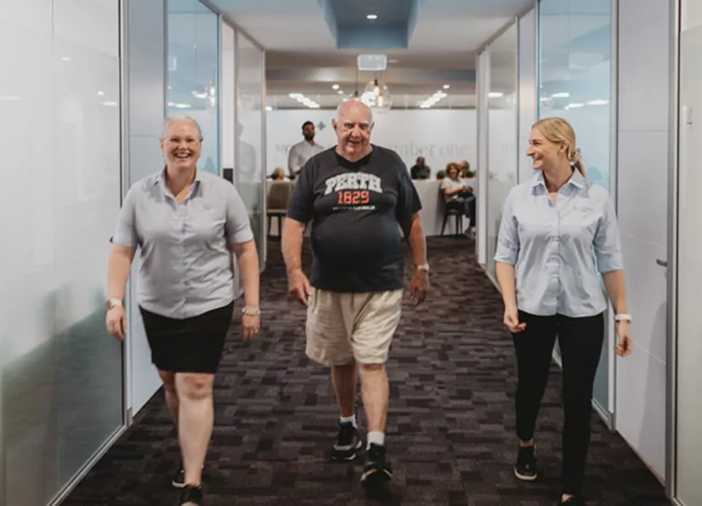
When to book an appointment
Your blood pressure or cholesterol has been flagged for more than three months and nothing has shifted.
Breathlessness, fatigue or swelling is limiting your work, walking or sleep.
You have cut back on salt and takeaway on your own and your numbers have not moved.
You have been handed a list of foods to avoid and you are not sure what to actually eat.
Book an assessment if:
Looking after yourself at home
These steps suit most people with a stable heart condition.
A high sodium intake, mostly from bread, processed meat, sauces and takeaway rather than the salt shaker.
A diet low in vegetables, legumes, wholegrains and fibre.
Regular alcohol above the national guidelines.
Extra weight around the middle, low activity levels, smoking and poor sleep.

Meet the team who treat this
Behind every appointment is a team of practitioners who know each other, trust each other and work together for you. Across seven clinics and nine disciplines, our team shares expertise, coordinates treatment plans and celebrates your progress together.

Aimee Fuller
Healthcare Support Officer
Available at Blaxland

Alicia Whiticker
Healthcare Support Officer
Available at Blaxland

Amanda Banks
Healthcare Support Officer
Available at Blaxland

Amanda Duggan
Healthcare Support Officer
Available at Blaxland

Amy Meekings
Healthcare Support Officer
Available at Blaxland

Anita Beerapu
Healthcare Support Officer
Available at Blaxland

Benjamin Tucker
Healthcare Support Officer
Available at Blaxland

Blake Cossar
Healthcare Support Officer
Available at Blaxland

Bronte Tupper
Healthcare Support Officer
Available at Blaxland

Chris Farrugia
Healthcare Support Officer
Available at Blaxland

Corrina Aitken
Healthcare Support Officer
Available at Blaxland

David Logue
Healthcare Support Officer
Available at Blaxland

Dean Gresser
Healthcare Support Officer
Available at Blaxland

Emma Nassif
Healthcare Support Officer
Available at Blaxland

Esha Sharma
Healthcare Support Officer
Available at Blaxland

Fatima Hussaini
Healthcare Support Officer
Available at Blaxland

Felicity Spencer-Davey
Healthcare Support Officer
Available at Blaxland

Frankie Raikadroka
Healthcare Support Officer
Available at Blaxland
Hannah Norrie
Healthcare Support Officer
Available at Blaxland
Heather Edwards
Healthcare Support Officer
Available at Blaxland

Isaac Vella
Healthcare Support Officer
Available at Blaxland
Jarrah Nesbitt
Healthcare Support Officer
Available at Blaxland

Jonathan Lopez
Healthcare Support Officer
Available at Blaxland

Justin Hanna
Healthcare Support Officer
Available at Blaxland

Kasey Collins
Healthcare Support Officer
Available at Blaxland

Katrina Gauci
Healthcare Support Officer
Available at Blaxland

Kennedy Touet
Healthcare Support Officer
Available at Blaxland

Kristy Edwards
Healthcare Support Officer
Available at Blaxland

Kyle Perry
Healthcare Support Officer
Available at Blaxland

Lorna Nicastri
Healthcare Support Officer
Available at Blaxland

Maja Bosic
Healthcare Support Officer
Available at Blaxland

Marxy Koronel
Healthcare Support Officer
Available at Blaxland

Matt Barton
Healthcare Support Officer
Available at Blaxland

Michael Todd
Healthcare Support Officer
Available at Blaxland

Mr Jeffery Jenkins FACPS
Healthcare Support Officer
Available at Blaxland

Nathan Cavanagh
Healthcare Support Officer
Available at Blaxland

Patrick Celeban
Healthcare Support Officer
Available at Blaxland

Praise Khin
Healthcare Support Officer
Available at Blaxland

Sarah Bonnici
Healthcare Support Officer
Available at Blaxland

Shannon Smith
Healthcare Support Officer
Available at Blaxland

Siobhan Kelly
Healthcare Support Officer
Available at Blaxland
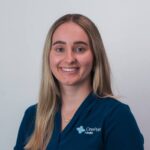
Taleisha Bozzi
Healthcare Support Officer
Available at Blaxland

Trystan Singh
Healthcare Support Officer
Available at Blaxland

Uty Kotwal
Healthcare Support Officer
Available at Blaxland

Yoni Hochberg
Healthcare Support Officer
Available at Blaxland

Zak Lloyd
Healthcare Support Officer
Available at Blaxland
EPC, DVA, NDIS and WorkCover welcome
Nearly half of our appointments are funded through Medicare, DVA, NDIS or WorkCover. We manage the paperwork so you can focus on your health.


NDIS
We support eligible NDIS participants across podiatry, physiotherapy, exercise physiology, dietetics and psychology, depending on your plan and goals. Eligibility and funding are set by your plan.

Medicare
Medicare may rebate podiatry, physiotherapy, exercise physiology and dietetics sessions when your GP refers you under an Enhanced Primary Care (EPC) or Chronic Disease Management (CDM) plan, and psychology sessions under a Mental Health Care Plan. The number of sessions is set by your plan.

DVA
Gold and White card holders can access DVA-funded care across our services with a valid referral.

WorkCover
If you have been injured at work, we accept WorkCover referrals for physiotherapy, exercise physiology and psychology, and manage the paperwork with your insurer, with a clear return-to-work plan.
Seven clinics across three regions
Find a clinic near you. Each location is staffed by local practitioners who know your community.
Penrith
Western SydneyOur largest centre, with our full range of services under one roof.
Ropes Crossing
Western SydneyPodiatry, at Ropes Crossing Village.
Blaxland
Blue MountainsPodiatry, physiotherapy, exercise physiology and group classes.
Springwood
Blue MountainsPodiatry, dietetics and a boutique footwear store.
Katoomba
Blue MountainsPodiatry, physiotherapy and dietetics, in a restored 1914 cottage.
Ryde
North ShorePodiatry, physiotherapy, dietetics and exercise physiology, with a footwear store and gait analysis.
Lindfield
North ShorePodiatry, with mobile podiatry across the North Shore and Northern Beaches.
Ready to make eating for your heart simpler?
Book a cardiac dietitian appointment and get a plan built around your diagnosis and your kitchen.















Frequently asked questions
How soon after a heart attack, stent or bypass should I see a dietitian?
As soon as you feel ready, usually within the first few weeks of getting home. Early appointments help because appetite, taste and energy often change after a cardiac event, and new medications can affect what you feel like eating. If you are enrolled in a cardiac rehab program, nutrition support works well alongside it. Booking later is still worthwhile, particularly if old habits have crept back.
Are salt substitutes safe if I have a heart condition?
Not always. Most low-sodium salt substitutes replace sodium with potassium chloride. Potassium can build up in the blood if your kidney function is reduced, or if you take ACE inhibitors, ARBs or spironolactone, which are common heart medications. High potassium levels affect heart rhythm. Check with your GP or cardiologist before using one, and bring the packet to your appointment so your dietitian can read the ingredients.
How do I read an Australian food label for sodium?
Use the per 100 g column, not the per serve column, because serve sizes vary between brands. As a guide, under 120 mg of sodium per 100 g is low, and over 600 mg per 100 g is high; aim for mostly low choices and treat anything in between as a compare-and-choose. The biggest wins are usually bread, cheese, sauces and processed meats, because you eat them often.
Is the Mediterranean diet the best way of eating for heart health?
It has the strongest evidence of any eating pattern for cardiovascular health: vegetables, fruit, whole grains, legumes, nuts, olive oil and fish, with less processed meat and fewer refined carbohydrates. It is a pattern rather than a rule book, and your dietitian adapts it to your culture, budget and cooking habits rather than handing you someone else’s menu.
Do I have to become vegetarian to protect my heart?
No. Reducing processed meat and choosing lean cuts matters more than removing meat entirely. Plant-forward eating benefits heart health, but fish, lean poultry, eggs in moderation and smaller portions of lean red meat all fit within a heart-healthy pattern. Your dietitian works out where animal foods sit in your week rather than removing them.
Can a dietitian help with fluid limits for heart failure?
Yes. If your cardiologist has set a daily fluid limit, a dietitian helps you make it workable: tracking hidden fluids in foods like soups and yoghurt, spacing drinks across the day, managing thirst, and balancing the limit against sodium targets. This is coordinated with your medical team, since fluid targets are set and adjusted by your doctor.
And the ACF block for the end: