

Cardiac rehabilitation
Rebuild your fitness and confidence after a heart event
Since your heart event, every hill and every set of stairs comes with the same question: is this safe? Cardiac rehabilitation gives you a supervised way to rebuild fitness, strength and confidence.
Medicare, NDIS, DVA and private health funds accepted.
Understanding Cardiac rehabilitation
Cardiac rehabilitation is a supervised program of exercise, education and eating support for people recovering from a heart event, heart procedure or heart condition. It helps you rebuild fitness safely and manage the risk factors behind heart disease.
At OnePointHealth, your exercise physiologist and dietitian run the program together. You get exercise matched to what your heart can handle right now, plus practical food changes that support blood pressure, cholesterol and weight.
Who does it affect?
adults recovering from a heart attack, stent, bypass, valve surgery, heart failure, angina or an arrhythmia.
How common is it?
coronary heart disease is one of the most frequently reported long-term conditions in Australian adults [CONFIRM: current AIHW prevalence figure].
What is the recovery like?
varies from person to person, and depends on your heart function, your starting fitness and how long you have been unwell.
Who should I see for treatment?
your exercise physiologist and your dietitian, working alongside your GP and cardiologist.
What funding options are available?
Medicare, NDIS, DVA and private health funds accepted.
What is cardiac rehabilitation?
Cardiac rehabilitation is structured exercise and lifestyle care delivered after your heart has been treated. It picks up where the hospital leaves off, when you are cleared to be active but not sure how hard to push.
Most people start with a hospital-based program, then finish it and lose momentum. That is where a community program matters. Your exercise physiologist takes your discharge summary, your medications and your test results, then builds exercise that loads your heart enough to improve it without overloading it.
Cardiac rehabilitation is usually recommended after:
a heart attack, whether or not you had a procedure
a stent, angioplasty or coronary bypass surgery
valve repair or replacement surgery
a diagnosis of stable angina
chronic heart failure, once your condition is stable
an arrhythmia, a pacemaker or an implanted defibrillator
Symptoms of Cardiac rehabilitation
After a heart event, the things you notice are often as much about confidence as they are about your heart:
breathlessness on stairs, hills or while carrying shopping
fatigue that arrives earlier in the day than it used to
chest tightness or pressure when you exert yourself
a racing or fluttering heartbeat during activity
avoiding exercise because you are worried about triggering another event
weight gain, higher blood pressure or higher cholesterol since your event
Your program comes out of your assessment, your cardiologist's advice and the way your body responds on the day.
What to expect at your first appointment
Tell us what is going on
Bring your discharge summary, medication list and any recent test results. You explain what you can do now, what you used to do, and what you want back.
A full assessment
Your exercise physiologist checks resting blood pressure and heart rate, then measures your strength, balance and exercise tolerance under supervision.
A clear plan
You leave knowing your target intensity, your session frequency, and which symptoms mean stop.
Review and adjust
Progress is re-measured as you go, and your program is loaded up or eased back to match it.
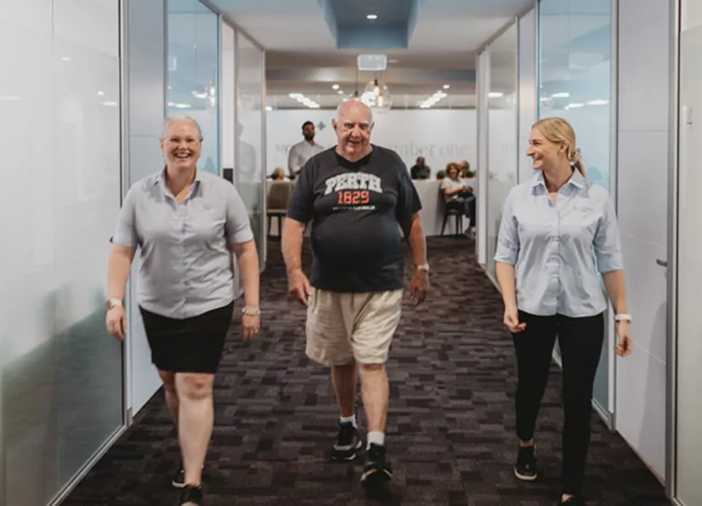
When to book an appointment
you finished a hospital cardiac rehabilitation program and want to keep going
breathlessness or fatigue is limiting work, driving or time with your grandchildren
you have tried walking on your own and stopped because you were unsure how hard to push
nobody has told you exactly what intensity is safe for your heart
Book an assessment if:
Looking after yourself at home
Alongside your program, small daily habits carry a lot of the load.
a heart attack, whether or not you had a procedure
a stent, angioplasty or coronary bypass surgery
valve repair or replacement surgery
a diagnosis of stable angina
chronic heart failure, once your condition is stable
an arrhythmia, a pacemaker or an implanted defibrillator

Meet the team who treat this
Behind every appointment is a team of practitioners who know each other, trust each other and work together for you. Across seven clinics and nine disciplines, our team shares expertise, coordinates treatment plans and celebrates your progress together.

Aimee Fuller
Healthcare Support Officer
Available at Blaxland

Alicia Whiticker
Healthcare Support Officer
Available at Blaxland

Amanda Banks
Healthcare Support Officer
Available at Blaxland

Amanda Duggan
Healthcare Support Officer
Available at Blaxland

Amy Meekings
Healthcare Support Officer
Available at Blaxland

Anita Beerapu
Healthcare Support Officer
Available at Blaxland
Benjamin Tucker
Healthcare Support Officer
Available at Blaxland

Blake Cossar
Healthcare Support Officer
Available at Blaxland

Bronte Tupper
Healthcare Support Officer
Available at Blaxland

Chris Farrugia
Healthcare Support Officer
Available at Blaxland

Corrina Aitken
Healthcare Support Officer
Available at Blaxland

David Logue
Healthcare Support Officer
Available at Blaxland

Dean Gresser
Healthcare Support Officer
Available at Blaxland

Emma Nassif
Healthcare Support Officer
Available at Blaxland

Esha Sharma
Healthcare Support Officer
Available at Blaxland

Fatima Hussaini
Healthcare Support Officer
Available at Blaxland
Felicity Spencer-Davey
Healthcare Support Officer
Available at Blaxland

Frankie Raikadroka
Healthcare Support Officer
Available at Blaxland
Hannah Norrie
Healthcare Support Officer
Available at Blaxland
Heather Edwards
Healthcare Support Officer
Available at Blaxland

Isaac Vella
Healthcare Support Officer
Available at Blaxland
Jarrah Nesbitt
Healthcare Support Officer
Available at Blaxland

Jonathan Lopez
Healthcare Support Officer
Available at Blaxland

Justin Hanna
Healthcare Support Officer
Available at Blaxland

Kasey Collins
Healthcare Support Officer
Available at Blaxland

Katrina Gauci
Healthcare Support Officer
Available at Blaxland
Kennedy Touet
Healthcare Support Officer
Available at Blaxland

Kristy Edwards
Healthcare Support Officer
Available at Blaxland

Kyle Perry
Healthcare Support Officer
Available at Blaxland

Lorna Nicastri
Healthcare Support Officer
Available at Blaxland

Maja Bosic
Healthcare Support Officer
Available at Blaxland

Marxy Koronel
Healthcare Support Officer
Available at Blaxland

Matt Barton
Healthcare Support Officer
Available at Blaxland

Michael Todd
Healthcare Support Officer
Available at Blaxland

Mr Jeffery Jenkins FACPS
Healthcare Support Officer
Available at Blaxland

Nathan Cavanagh
Healthcare Support Officer
Available at Blaxland

Patrick Celeban
Healthcare Support Officer
Available at Blaxland

Praise Khin
Healthcare Support Officer
Available at Blaxland

Sarah Bonnici
Healthcare Support Officer
Available at Blaxland
Shannon Smith
Healthcare Support Officer
Available at Blaxland

Siobhan Kelly
Healthcare Support Officer
Available at Blaxland
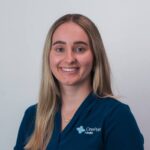
Taleisha Bozzi
Healthcare Support Officer
Available at Blaxland

Trystan Singh
Healthcare Support Officer
Available at Blaxland

Uty Kotwal
Healthcare Support Officer
Available at Blaxland

Yoni Hochberg
Healthcare Support Officer
Available at Blaxland

Zak Lloyd
Healthcare Support Officer
Available at Blaxland
EPC, DVA, NDIS and WorkCover welcome
Nearly half of our appointments are funded through Medicare, DVA, NDIS or WorkCover. We manage the paperwork so you can focus on your health.


NDIS
We support eligible NDIS participants across podiatry, physiotherapy, exercise physiology, dietetics and psychology, depending on your plan and goals. Eligibility and funding are set by your plan.

Medicare
Medicare may rebate podiatry, physiotherapy, exercise physiology and dietetics sessions when your GP refers you under an Enhanced Primary Care (EPC) or Chronic Disease Management (CDM) plan, and psychology sessions under a Mental Health Care Plan. The number of sessions is set by your plan.

DVA
Gold and White card holders can access DVA-funded care across our services with a valid referral.

WorkCover
If you have been injured at work, we accept WorkCover referrals for physiotherapy, exercise physiology and psychology, and manage the paperwork with your insurer, with a clear return-to-work plan.
Seven clinics across three regions
Find a clinic near you. Each location is staffed by local practitioners who know your community.
Penrith
Western SydneyOur largest centre, with our full range of services under one roof.
Ropes Crossing
Western SydneyPodiatry, at Ropes Crossing Village.
Blaxland
Blue MountainsPodiatry, physiotherapy, exercise physiology and group classes.
Springwood
Blue MountainsPodiatry, dietetics and a boutique footwear store.
Katoomba
Blue MountainsPodiatry, physiotherapy and dietetics, in a restored 1914 cottage.
Ryde
North ShorePodiatry, physiotherapy, dietetics and exercise physiology, with a footwear store and gait analysis.
Lindfield
North ShorePodiatry, with mobile podiatry across the North Shore and Northern Beaches.
Ready to get moving again after your heart event?
Book a cardiac rehabilitation assessment and start exercising with someone watching the numbers.














Frequently asked questions
Do I need a referral to start cardiac rehabilitation?
No, you can book directly. A referral does help with funding: your GP can refer you under a chronic condition management plan, which may cover part of the cost for a set number of allied health services each calendar year. DVA and NDIS referrals follow their own pathways. Bringing your hospital discharge summary and cardiologist’s letter is useful either way, because it tells your exercise physiologist what your heart has been through.
How long does a cardiac rehabilitation program run?
Programs commonly run as one or two supervised sessions a week over a block of weeks, followed by a maintenance phase where you manage yourself with periodic reviews. The length depends on your heart function and your goals. Some people move to independent exercise quickly. Others with heart failure or reduced exercise tolerance benefit from longer supervision, and that is reassessed as you progress.
Will my heart medications affect my exercise?
Yes, and that is planned for rather than avoided. Beta blockers slow your heart rate, so heart rate alone becomes an unreliable guide to how hard you are working. Your exercise physiologist uses rated effort and breathing as well. Some blood pressure medications can make you light-headed when you stand quickly, so warm-ups and cool-downs are structured accordingly. Never change a dose to exercise.
I already did the hospital program. Is there any point doing more?
Yes. Hospital programs are short by design and finish while you are still early in your recovery. Gains in fitness fade if training stops. A community program continues the progression, adds resistance training that hospital programs often cannot fit in, and gives you a written plan for the long term.
Can my partner or carer come to my sessions?
Yes, and it often helps. A partner who understands your target intensity, your warning signs and your home program is more likely to support the plan than worry about it. They are also welcome in dietetics appointments, which makes sense when they do most of the cooking. Let reception know when you book so the appointment is scheduled with enough room.
What should I bring and wear to a session?
Wear enclosed shoes and clothing you can move in, and bring water. Bring your medication list, your discharge summary, any recent blood results and your home blood pressure readings if you take them. If you use a glucose monitor or an angina spray, bring those too. Eat something light beforehand rather than exercising on an empty stomach.