

Cancer exercise
Rebuild your strength safely, during and after cancer treatment
Treatment has left you flat, weaker than you were, and unsure how hard you are allowed to push. Exercise prescribed by an accredited exercise physiologist is one of the most effective ways to manage fatigue and rebuild strength.
Medicare, NDIS, DVA and private health funds accepted.
Understanding Cancer exercise
Cancer exercise, also called exercise oncology, is structured physical activity prescribed for people during or after cancer treatment. It is planned around your diagnosis, your treatment schedule and how you feel on the day.
Exercise is recommended as part of standard cancer care in Australia. Done at the right dose, it can reduce treatment-related fatigue, protect muscle and bone, support your mood, and help you keep doing the things that matter to you.
Who does it affect?
anyone diagnosed with cancer, at any stage, from diagnosis through active treatment and into survivorship.
How common is it?
around 165,000 Australians are diagnosed with cancer each year, and most experience fatigue or loss of fitness.
What is the recovery like?
varies with your diagnosis, treatment type and starting point; many people notice changes in energy and strength within a few weeks.
Who should I see for treatment?
your exercise physiologist, working alongside your oncology team and GP.
What funding options are available?
Medicare, NDIS, DVA and private health funds accepted.
What is cancer exercise?
Cancer exercise is aerobic, resistance and functional training prescribed by an accredited exercise physiologist for people living with cancer. It is not a generic gym program. The dose is set against your current capacity, your blood results and where you sit in your treatment cycle.
Most people become less active after a diagnosis. Rest feels sensible, but muscle is lost quickly and cardiovascular fitness drops with it. That deconditioning then makes ordinary tasks harder, which drives more rest. Exercise interrupts that loop.
Things that commonly affect your capacity include:
Chemotherapy fatigue, nausea and reduced blood counts
Surgery and radiotherapy, which can limit shoulder, chest or hip movement
Hormone therapy, which can reduce muscle mass, bone density and joint comfort
Long periods of reduced activity during and between treatment cycles
Symptoms of Cancer exercise
Cancer and its treatment affect your body in ways you can feel day to day:
Fatigue that sleep and rest do not fix
Loss of muscle and strength, so stairs, shopping and standing up feel harder
Breathlessness during light activity you used to manage easily
Numbness or tingling in your hands and feet, which affects grip and balance
Swelling in an arm or leg after lymph node surgery or radiotherapy
Stiffness and reduced range of movement around a surgical or radiation site
Your plan comes from your assessment, your treatment history and your current blood results.
What to expect at your first appointment
Tell us what is going on
Your diagnosis, treatments so far, what has changed physically, and what you want to get back to.
A full assessment
Strength, cardiovascular fitness, balance, range of movement and function, measured objectively so we have a baseline.
A clear plan
Your exercise physiologist explains the type, intensity and frequency of exercise that suits your current stage, and how it fits around treatment days.
Review and adjust
We retest, track your progress and change the dose as your treatment and energy change.
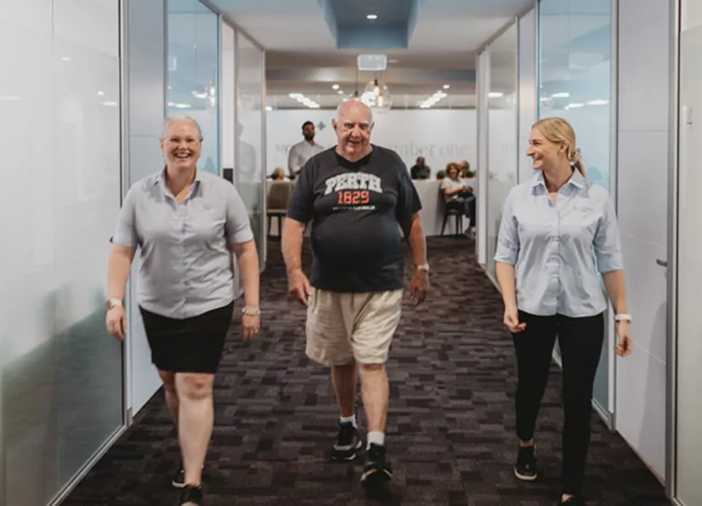
When to book an appointment
Fatigue or weakness has lasted more than a few weeks and is not improving
You are finding tasks such as stairs, shopping, driving or work harder than before treatment
You have tried walking or an exercise program and it is not shifting your strength or energy
You are not sure what exercise is safe with your diagnosis, surgery or medications
Book an assessment if:
Looking after yourself at home
Between sessions, aim for small, regular efforts rather than occasional heavy ones.
Chemotherapy fatigue, nausea and reduced blood counts
Surgery and radiotherapy, which can limit shoulder, chest or hip movement
Hormone therapy, which can reduce muscle mass, bone density and joint comfort
Long periods of reduced activity during and between treatment cycles

Meet the team who treat this
Behind every appointment is a team of practitioners who know each other, trust each other and work together for you. Across seven clinics and nine disciplines, our team shares expertise, coordinates treatment plans and celebrates your progress together.

Aimee Fuller
Healthcare Support Officer
Available at Blaxland

Alicia Whiticker
Healthcare Support Officer
Available at Blaxland

Amanda Banks
Healthcare Support Officer
Available at Blaxland
Amanda Duggan
Healthcare Support Officer
Available at Blaxland
Amy Meekings
Healthcare Support Officer
Available at Blaxland

Anita Beerapu
Healthcare Support Officer
Available at Blaxland
Benjamin Tucker
Healthcare Support Officer
Available at Blaxland

Blake Cossar
Healthcare Support Officer
Available at Blaxland

Bronte Tupper
Healthcare Support Officer
Available at Blaxland

Chris Farrugia
Healthcare Support Officer
Available at Blaxland

Corrina Aitken
Healthcare Support Officer
Available at Blaxland

David Logue
Healthcare Support Officer
Available at Blaxland

Dean Gresser
Healthcare Support Officer
Available at Blaxland

Emma Nassif
Healthcare Support Officer
Available at Blaxland
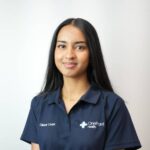
Esha Sharma
Healthcare Support Officer
Available at Blaxland
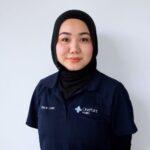
Fatima Hussaini
Healthcare Support Officer
Available at Blaxland

Felicity Spencer-Davey
Healthcare Support Officer
Available at Blaxland

Frankie Raikadroka
Healthcare Support Officer
Available at Blaxland
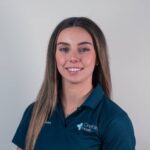
Hannah Norrie
Healthcare Support Officer
Available at Blaxland
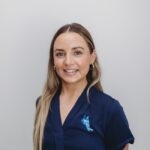
Heather Edwards
Healthcare Support Officer
Available at Blaxland

Isaac Vella
Healthcare Support Officer
Available at Blaxland
Jarrah Nesbitt
Healthcare Support Officer
Available at Blaxland

Jonathan Lopez
Healthcare Support Officer
Available at Blaxland

Justin Hanna
Healthcare Support Officer
Available at Blaxland

Kasey Collins
Healthcare Support Officer
Available at Blaxland

Katrina Gauci
Healthcare Support Officer
Available at Blaxland
Kennedy Touet
Healthcare Support Officer
Available at Blaxland

Kristy Edwards
Healthcare Support Officer
Available at Blaxland

Kyle Perry
Healthcare Support Officer
Available at Blaxland

Lorna Nicastri
Healthcare Support Officer
Available at Blaxland

Maja Bosic
Healthcare Support Officer
Available at Blaxland

Marxy Koronel
Healthcare Support Officer
Available at Blaxland

Matt Barton
Healthcare Support Officer
Available at Blaxland

Michael Todd
Healthcare Support Officer
Available at Blaxland

Mr Jeffery Jenkins FACPS
Healthcare Support Officer
Available at Blaxland

Nathan Cavanagh
Healthcare Support Officer
Available at Blaxland

Patrick Celeban
Healthcare Support Officer
Available at Blaxland

Praise Khin
Healthcare Support Officer
Available at Blaxland

Sarah Bonnici
Healthcare Support Officer
Available at Blaxland
Shannon Smith
Healthcare Support Officer
Available at Blaxland
Siobhan Kelly
Healthcare Support Officer
Available at Blaxland
Taleisha Bozzi
Healthcare Support Officer
Available at Blaxland

Trystan Singh
Healthcare Support Officer
Available at Blaxland

Uty Kotwal
Healthcare Support Officer
Available at Blaxland

Yoni Hochberg
Healthcare Support Officer
Available at Blaxland

Zak Lloyd
Healthcare Support Officer
Available at Blaxland
EPC, DVA, NDIS and WorkCover welcome
Nearly half of our appointments are funded through Medicare, DVA, NDIS or WorkCover. We manage the paperwork so you can focus on your health.

NDIS
We support eligible NDIS participants across podiatry, physiotherapy, exercise physiology, dietetics and psychology, depending on your plan and goals. Eligibility and funding are set by your plan.

Medicare
Medicare may rebate podiatry, physiotherapy, exercise physiology and dietetics sessions when your GP refers you under an Enhanced Primary Care (EPC) or Chronic Disease Management (CDM) plan, and psychology sessions under a Mental Health Care Plan. The number of sessions is set by your plan.

DVA
Gold and White card holders can access DVA-funded care across our services with a valid referral.

WorkCover
If you have been injured at work, we accept WorkCover referrals for physiotherapy, exercise physiology and psychology, and manage the paperwork with your insurer, with a clear return-to-work plan.
Seven clinics across three regions
Find a clinic near you. Each location is staffed by local practitioners who know your community.
Penrith
Western SydneyOur largest centre, with our full range of services under one roof.
Ropes Crossing
Western SydneyPodiatry, at Ropes Crossing Village.
Blaxland
Blue MountainsPodiatry, physiotherapy, exercise physiology and group classes.
Springwood
Blue MountainsPodiatry, dietetics and a boutique footwear store.
Katoomba
Blue MountainsPodiatry, physiotherapy and dietetics, in a restored 1914 cottage.
Ryde
North ShorePodiatry, physiotherapy, dietetics and exercise physiology, with a footwear store and gait analysis.
Lindfield
North ShorePodiatry, with mobile podiatry across the North Shore and Northern Beaches.
Ready to start rebuilding your strength?
Book an assessment with an accredited exercise physiologist and get a program built around your treatment.















Frequently asked questions
Is it safe to exercise while I am having chemotherapy or radiotherapy?
For most people, yes. Exercise during active treatment is safe when the intensity is matched to your blood counts, symptoms and treatment cycle. Your exercise physiologist checks in before each session and scales the work up or down. Some people train on infusion weeks at a lighter dose and build in the recovery week. We coordinate with your oncology team where anything is unclear.
What happens if my blood counts are low on the day of my session?
We modify rather than cancel. Low haemoglobin usually means reduced intensity and longer rests, because oxygen delivery to your muscles is limited. Low platelets mean avoiding high-impact or contact work due to bruising and bleeding risk. Low neutrophils may mean a home-based or one-to-one session instead of a shared gym space. Bring your most recent results if you have them.
Will exercise make lymphoedema worse?
Current evidence does not support avoiding exercise for fear of lymphoedema. Supervised, gradually progressed resistance training is considered safe for people at risk and for those already managing swelling. The key is progression: small increases, monitored between sessions. If you wear a compression garment, wear it while you train. Tell your exercise physiologist about any change in heaviness, tightness or limb size.
How much exercise is recommended for people having cancer treatment?
Australian guidance recommends working towards 150 minutes of moderate aerobic exercise each week, plus two to three resistance sessions targeting the major muscle groups. That is a target, not a starting point. If you are deep in treatment, your first program may be far smaller and still worthwhile. Any movement above your current level counts, and the target to build over time.
I have secondary cancer in my bones. Can I still train?
Yes, with modifications. Bone metastases change which movements and loads are appropriate, particularly around the spine, hips and any weakened bone. Your exercise physiologist reviews your imaging reports and treating team advice, then avoids high-impact work, heavy spinal loading and end-range twisting. Supervised strength and aerobic work at safe sites can still improve function, mobility and confidence.
Does exercise reduce the chance of cancer coming back?
Research links regular physical activity with better survival outcomes in several cancer types, including breast, bowel and prostate cancer. Exercise is not a treatment for cancer and no program can guarantee an outcome. What it can do reliably is improve fitness, strength, body composition and treatment tolerance, which matters for how you feel and function throughout survivorship.