

Fatty liver diet
Change what you eat, and give your liver room to recover
You have been told you have a fatty liver, handed a pamphlet, and left to work out what to eat. Fatty liver responds well to changes in food, drink and activity, and a dietitian can show you where to start.
Medicare, NDIS, DVA and private health funds accepted.
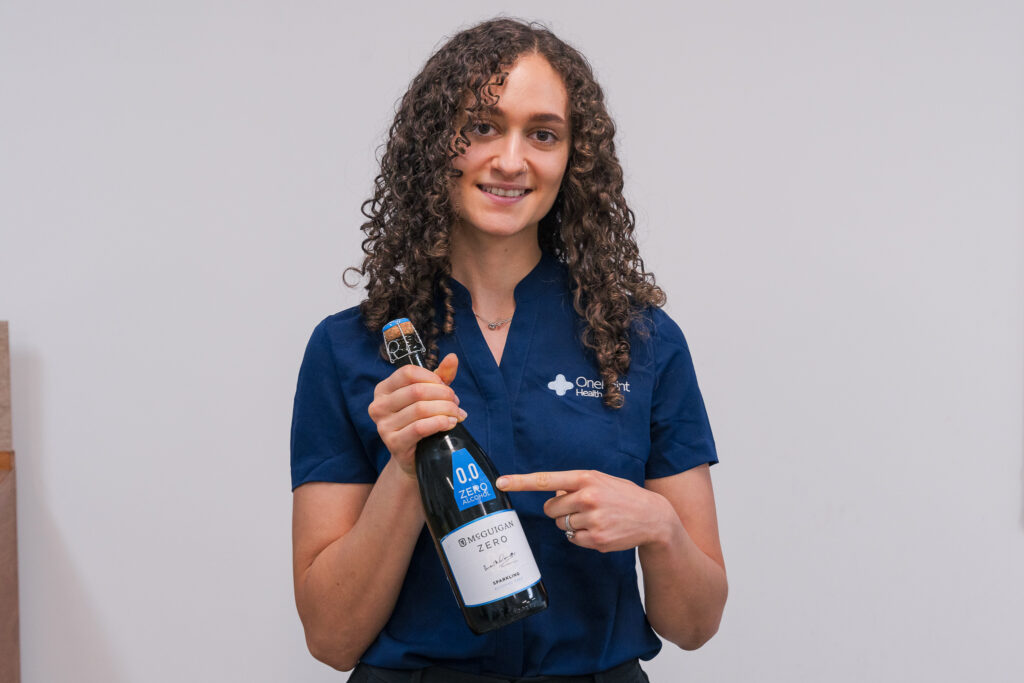
Understanding Fatty liver diet
A fatty liver diet is an eating pattern that lowers the amount of fat stored in your liver cells. It focuses on reducing added sugars, alcohol, saturated fat and ultra-processed foods, and building meals around fruit, vegetables, legumes, wholegrains, fish and healthy fats.
There is no single food that fixes a fatty liver. Most of the benefit comes from steady changes to your usual meals, plus movement.
Who does it affect?
adults with excess weight around the middle, type 2 diabetes, insulin resistance, high triglycerides or high blood pressure. It also occurs in people at a healthy weight and those who drink excess alcohol.
How common is it?
fatty liver affects roughly one in three Australian adults [CONFIRM: prevalence figure and source].
What is the recovery like?
liver fat can reduce with sustained dietary change, though how much and how quickly varies from person to person.
Who should I see for treatment?
an Accredited Practising Dietitian, often alongside your GP or specialist.
What funding options are available?
Medicare, NDIS, DVA and private health funds accepted.
What is fatty liver?
Fatty liver disease occurs when excess fat has built up inside your liver cells. When alcohol is not the main cause, it is called metabolic dysfunction-associated steatotic liver disease, or MASLD. You may see the older terms non-alcoholic fatty liver disease (NAFLD) on your results. It is often diagnosed by your GP through a blood test which reports elevated fatty liver enzymes and an ultrasound displaying an enlarged liver with fat deposits.
It usually develops slowly. When your body takes in more energy than it uses, or when insulin stops working properly, your liver starts making and storing extra fat. Over years, that fat can cause inflammation and scarring in some people, which is why it is worth acting early.
Things that contribute to fatty liver:
carrying extra weight around your abdomen
insulin resistance, prediabetes or type 2 diabetes
high triglycerides or low HDL cholesterol
regular intake of sugary drinks, juice and fructose-rich foods
alcohol, even at levels you consider moderate
some medications, and genetic factors that run in families
Symptoms of Fatty liver diet
Fatty liver is often found by accident, on an ultrasound or a blood test done for another reason. Many people feel completely well.
When symptoms do appear, they tend to be vague:
ongoing tiredness or low energy
a dull ache or fullness under your right ribs
feeling unwell after rich or fatty meals
unexplained changes in weight
Your nutrition plan comes out of the assessment, because two people with the same scan result can eat, drink and move in completely different ways.
What to expect at your first appointment
Tell us what is going on
Bring your scan report, recent blood tests and a list of your medications. Your dietitian will ask about your usual meals, drinks, lifestyle, such as work hours and sleep.
A full assessment
Your dietitian reviews your intake, your alcohol use, your weight history and other conditions such as diabetes or high cholesterol.
A clear plan
You leave with an appropriate number of specific changes, written down, that fit your budget, your cooking skills, lifestyle and food preferences.
Review and adjust
At follow-up you look at what worked, what did not, and your latest results, then the plan changes accordingly.
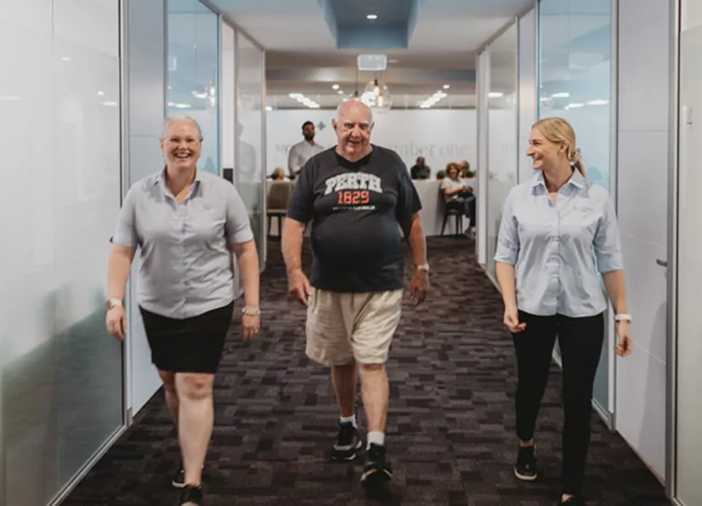
When to book an appointment
your scan or blood tests have shown fatty liver, at any stage
fatty liver sits alongside type 2 diabetes, prediabetes or high triglycerides
you have been trying to eat better for three months or more without a change in your results
you are not sure which of the advice you have read online actually applies to you
Book an assessment if:
Looking after yourself at home
These steps suit most people with fatty liver and are a reasonable starting point before your appointment.
carrying extra weight around your abdomen
insulin resistance, prediabetes or type 2 diabetes
high triglycerides or low HDL cholesterol
regular intake of sugary drinks, juice and fructose-rich foods
alcohol, even at levels you consider moderate
some medications, and genetic factors that run in families

Meet the team who treat this
Behind every appointment is a team of practitioners who know each other, trust each other and work together for you. Across seven clinics and nine disciplines, our team shares expertise, coordinates treatment plans and celebrates your progress together.

Aimee Fuller
Healthcare Support Officer
Available at Blaxland

Alicia Whiticker
Healthcare Support Officer
Available at Blaxland

Amanda Banks
Healthcare Support Officer
Available at Blaxland
Amanda Duggan
Healthcare Support Officer
Available at Blaxland
Amy Meekings
Healthcare Support Officer
Available at Blaxland

Anita Beerapu
Healthcare Support Officer
Available at Blaxland
Benjamin Tucker
Healthcare Support Officer
Available at Blaxland

Blake Cossar
Healthcare Support Officer
Available at Blaxland

Bronte Tupper
Healthcare Support Officer
Available at Blaxland

Chris Farrugia
Healthcare Support Officer
Available at Blaxland

Corrina Aitken
Healthcare Support Officer
Available at Blaxland

David Logue
Healthcare Support Officer
Available at Blaxland

Dean Gresser
Healthcare Support Officer
Available at Blaxland
Emma Nassif
Healthcare Support Officer
Available at Blaxland

Esha Sharma
Healthcare Support Officer
Available at Blaxland

Fatima Hussaini
Healthcare Support Officer
Available at Blaxland

Felicity Spencer-Davey
Healthcare Support Officer
Available at Blaxland

Frankie Raikadroka
Healthcare Support Officer
Available at Blaxland
Hannah Norrie
Healthcare Support Officer
Available at Blaxland
Heather Edwards
Healthcare Support Officer
Available at Blaxland

Isaac Vella
Healthcare Support Officer
Available at Blaxland
Jarrah Nesbitt
Healthcare Support Officer
Available at Blaxland

Jonathan Lopez
Healthcare Support Officer
Available at Blaxland

Justin Hanna
Healthcare Support Officer
Available at Blaxland

Kasey Collins
Healthcare Support Officer
Available at Blaxland

Katrina Gauci
Healthcare Support Officer
Available at Blaxland
Kennedy Touet
Healthcare Support Officer
Available at Blaxland

Kristy Edwards
Healthcare Support Officer
Available at Blaxland

Kyle Perry
Healthcare Support Officer
Available at Blaxland
Lorna Nicastri
Healthcare Support Officer
Available at Blaxland

Maja Bosic
Healthcare Support Officer
Available at Blaxland

Marxy Koronel
Healthcare Support Officer
Available at Blaxland

Matt Barton
Healthcare Support Officer
Available at Blaxland

Michael Todd
Healthcare Support Officer
Available at Blaxland

Mr Jeffery Jenkins FACPS
Healthcare Support Officer
Available at Blaxland

Nathan Cavanagh
Healthcare Support Officer
Available at Blaxland

Patrick Celeban
Healthcare Support Officer
Available at Blaxland

Praise Khin
Healthcare Support Officer
Available at Blaxland
Sarah Bonnici
Healthcare Support Officer
Available at Blaxland

Shannon Smith
Healthcare Support Officer
Available at Blaxland
Siobhan Kelly
Healthcare Support Officer
Available at Blaxland
Taleisha Bozzi
Healthcare Support Officer
Available at Blaxland

Trystan Singh
Healthcare Support Officer
Available at Blaxland

Uty Kotwal
Healthcare Support Officer
Available at Blaxland

Yoni Hochberg
Healthcare Support Officer
Available at Blaxland

Zak Lloyd
Healthcare Support Officer
Available at Blaxland
EPC, DVA, NDIS and WorkCover welcome
Nearly half of our appointments are funded through Medicare, DVA, NDIS or WorkCover. We manage the paperwork so you can focus on your health.

NDIS
We support eligible NDIS participants across podiatry, physiotherapy, exercise physiology, dietetics and psychology, depending on your plan and goals. Eligibility and funding are set by your plan.

Medicare
Medicare may rebate podiatry, physiotherapy, exercise physiology and dietetics sessions when your GP refers you under an Enhanced Primary Care (EPC) or Chronic Disease Management (CDM) plan, and psychology sessions under a Mental Health Care Plan. The number of sessions is set by your plan.

DVA
Gold and White card holders can access DVA-funded care across our services with a valid referral.

WorkCover
If you have been injured at work, we accept WorkCover referrals for physiotherapy, exercise physiology and psychology, and manage the paperwork with your insurer, with a clear return-to-work plan.
Seven clinics across three regions
Find a clinic near you. Each location is staffed by local practitioners who know your community.
Penrith
Western SydneyOur largest centre, with our full range of services under one roof.
Ropes Crossing
Western SydneyPodiatry, at Ropes Crossing Village.
Blaxland
Blue MountainsPodiatry, physiotherapy, exercise physiology and group classes.
Springwood
Blue MountainsPodiatry, dietetics and a boutique footwear store.
Katoomba
Blue MountainsPodiatry, physiotherapy and dietetics, in a restored 1914 cottage.
Ryde
North ShorePodiatry, physiotherapy, dietetics and exercise physiology, with a footwear store and gait analysis.
Lindfield
North ShorePodiatry, with mobile podiatry across the North Shore and Northern Beaches.
Ready to do something about your fatty liver?
Book with an Accredited Practising Dietitian and get an eating plan you can actually stick to.















Frequently asked questions
Can fatty liver be reversed with diet?
Liver fat can reduce, and in many people the fat seen on a scan improves, when dietary changes are sustained. Earlier stages respond best, before scarring develops. Results vary, and they depend on how much changes and for how long. Your GP or specialist may repeat blood tests or imaging after several months to see how your liver is responding.
Which foods should I reduce first?
Start with sugar-sweetened drinks, including fruit juice and energy drinks. They deliver a large fructose load straight to the liver with no fibre to slow it down, and cutting them is the single change most people notice in their results. Next come deep-fried takeaway, pastries and processed meats, which add saturated fat without much nutrition.
Do I have to lose weight to improve a fatty liver?
No. Around one in five people with fatty liver are in a healthy weight range, and the quality of what you eat matters independently of the scales. A Mediterranean-style pattern and regular exercise reduce liver fat even when weight stays stable. If weight change would help, your dietitian will discuss it as one option rather than the whole plan.
How much alcohol is safe with fatty liver?
There is no amount proven to be safe for a liver that already has fat in it, so the safest approach is none, or as little as possible. Talk to your GP first if you drink daily, because stopping suddenly can be risky.
Does coffee help a fatty liver?
Research consistently links regular coffee intake with lower rates of liver scarring, and two to three cups a day appears protective. The effect is thought to come from compounds in the coffee itself rather than caffeine alone. Keep it unsweetened, because added sugar and flavoured syrups cancel out the benefit. Coffee is a helpful addition, not a treatment on its own. Talk to your GP or dietitian first before increasing your coffee intake as it can be unhelpful for those who have high blood pressure or anxiety.
Are supplements like vitamin E worth taking?
Vitamin E is sometimes prescribed by specialists for particular patients with confirmed liver inflammation, but it carries risks at high doses and is not a self-prescribed supplement. Bring any nutritional supplements you take to your appointment so they can be reviewed with your medications.