

Osteoporosis exercise
Stronger bones start with the right kind of loading
You have been told your bone density is low, and now you are not sure what is safe to lift, land on or bend into. Osteoporosis responds to exercise, and a prescribed program can load your bones without putting them at risk.
Medicare, NDIS, DVA and private health funds accepted.
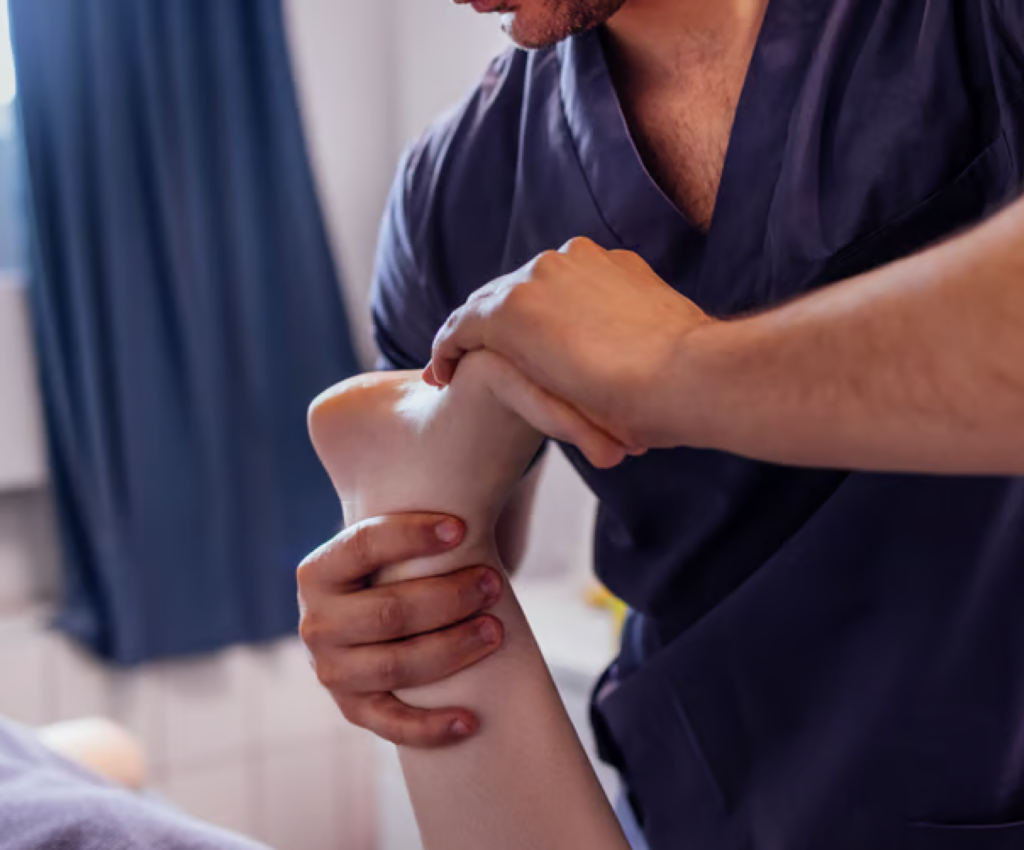
Understanding Osteoporosis exercise
Osteoporosis means your bones have lost density and strength, so they have an increased chance of fracture. Exercise is one of the few things that loads bone directly and signals it to rebuild, but only when the load is heavy enough and applied often enough.
An osteoporosis exercise program is prescribed, not generic. Your exercise physiologist works out how much load your bones, joints and heart can safely take, then builds it up in stages. Your dietitian makes sure the calcium, protein and vitamin D are there to support the work you are doing.
Who does it affect?
most often women after menopause and men over 70, and anyone on long-term corticosteroids or with a family history of fracture.
How common is it?
bone loss becomes more common with age, and many people only find out after a scan or a break.
What is the recovery like?
bone changes slowly and is measured over months to years, while strength, balance and confidence often improve much sooner.
Who should I see for treatment?
your exercise physiologist leads the program, with your dietitian covering bone nutrition.
What funding options are available?
Medicare, NDIS, DVA and private health funds accepted.
What is osteoporosis?
Osteoporosis is a condition where bone becomes less dense and more porous, so it fractures under forces a healthy bone would absorb. Osteopenia is the earlier stage, where density has dropped but not as far.
Bone is living tissue that is constantly broken down and rebuilt. Peak bone mass is reached in your late twenties, then density slowly declines. When the rate of breakdown outpaces rebuilding, usually because of hormonal change, low load or low nutrient intake, bone thins from the inside out.
Things that contribute to bone loss include:
Menopause and the drop in oestrogen, which speeds bone turnover
Long-term corticosteroid use, and some cancer, thyroid and epilepsy treatments
Low calcium, low protein or low vitamin D intake over years
Low body weight, disordered eating or long periods of under-fuelling
Smoking and regular alcohol above recommended limits
Long stretches of inactivity, bed rest or sedentary work
Symptoms of Osteoporosis exercise
Osteoporosis is usually silent until something breaks. Signs that bring people in include:
No symptoms at all, with low bone density found on a routine scan
A bone that breaks from a minor knock or a fall from standing height
Sudden back pain, which can indicate a spinal compression fracture
Losing height, or a rounded upper back that has developed over years
Feeling unsteady or fearful of falling, which cuts activity and speeds bone loss
Difficulty with stairs, chairs and carrying, which often tracks with lower muscle mass
Your program comes out of your assessment: your scan results, fracture history, medications and what your body can currently handle.
What to expect at your first appointment
Tell us what is going on
Bring your DEXA results, fracture history, medications and any conditions that limit what you can do. We ask what you want to get back to.
A full assessment
Your exercise physiologist tests strength, balance, posture and how you move under load, then checks what your current tolerance actually is.
A clear plan
You leave with a written program, the loads to start on, and a plain explanation of why each exercise is in there.
Review and adjust
Load is progressed as you adapt. Sessions are supervised until your technique holds up under weight.
When to book an appointment
Your scan has come back showing osteopenia or osteoporosis and nobody has told you what to do about it
You have broken a bone from a fall from standing height or less
You have been walking for months and your bone density has not held
You are unsure which exercises are safe, so you have stopped doing much at all
Book an assessment if:
Looking after yourself at home
Small habits between sessions do a lot of the work.
Menopause and the drop in oestrogen, which speeds bone turnover
Long-term corticosteroid use, and some cancer, thyroid and epilepsy treatments
Low calcium, low protein or low vitamin D intake over years
Low body weight, disordered eating or long periods of under-fuelling
Smoking and regular alcohol above recommended limits
Long stretches of inactivity, bed rest or sedentary work

Meet the team who treat this
Behind every appointment is a team of practitioners who know each other, trust each other and work together for you. Across seven clinics and nine disciplines, our team shares expertise, coordinates treatment plans and celebrates your progress together.

Aimee Fuller
Healthcare Support Officer
Available at Blaxland

Alicia Whiticker
Healthcare Support Officer
Available at Blaxland

Amanda Banks
Healthcare Support Officer
Available at Blaxland
Amanda Duggan
Healthcare Support Officer
Available at Blaxland
Amy Meekings
Healthcare Support Officer
Available at Blaxland

Anita Beerapu
Healthcare Support Officer
Available at Blaxland
Benjamin Tucker
Healthcare Support Officer
Available at Blaxland

Blake Cossar
Healthcare Support Officer
Available at Blaxland

Bronte Tupper
Healthcare Support Officer
Available at Blaxland

Chris Farrugia
Healthcare Support Officer
Available at Blaxland

Corrina Aitken
Healthcare Support Officer
Available at Blaxland

David Logue
Healthcare Support Officer
Available at Blaxland

Dean Gresser
Healthcare Support Officer
Available at Blaxland
Emma Nassif
Healthcare Support Officer
Available at Blaxland

Esha Sharma
Healthcare Support Officer
Available at Blaxland

Fatima Hussaini
Healthcare Support Officer
Available at Blaxland
Felicity Spencer-Davey
Healthcare Support Officer
Available at Blaxland
Frankie Raikadroka
Healthcare Support Officer
Available at Blaxland
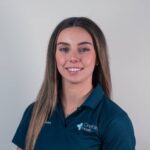
Hannah Norrie
Healthcare Support Officer
Available at Blaxland
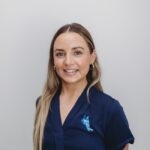
Heather Edwards
Healthcare Support Officer
Available at Blaxland

Isaac Vella
Healthcare Support Officer
Available at Blaxland
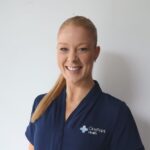
Jarrah Nesbitt
Healthcare Support Officer
Available at Blaxland

Jonathan Lopez
Healthcare Support Officer
Available at Blaxland

Justin Hanna
Healthcare Support Officer
Available at Blaxland
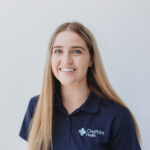
Kasey Collins
Healthcare Support Officer
Available at Blaxland

Katrina Gauci
Healthcare Support Officer
Available at Blaxland
Kennedy Touet
Healthcare Support Officer
Available at Blaxland

Kristy Edwards
Healthcare Support Officer
Available at Blaxland

Kyle Perry
Healthcare Support Officer
Available at Blaxland
Lorna Nicastri
Healthcare Support Officer
Available at Blaxland
Maja Bosic
Healthcare Support Officer
Available at Blaxland

Marxy Koronel
Healthcare Support Officer
Available at Blaxland

Matt Barton
Healthcare Support Officer
Available at Blaxland

Michael Todd
Healthcare Support Officer
Available at Blaxland

Mr Jeffery Jenkins FACPS
Healthcare Support Officer
Available at Blaxland
Nathan Cavanagh
Healthcare Support Officer
Available at Blaxland
Patrick Celeban
Healthcare Support Officer
Available at Blaxland

Praise Khin
Healthcare Support Officer
Available at Blaxland

Sarah Bonnici
Healthcare Support Officer
Available at Blaxland
Shannon Smith
Healthcare Support Officer
Available at Blaxland
Siobhan Kelly
Healthcare Support Officer
Available at Blaxland
Taleisha Bozzi
Healthcare Support Officer
Available at Blaxland

Trystan Singh
Healthcare Support Officer
Available at Blaxland

Uty Kotwal
Healthcare Support Officer
Available at Blaxland

Yoni Hochberg
Healthcare Support Officer
Available at Blaxland

Zak Lloyd
Healthcare Support Officer
Available at Blaxland
EPC, DVA, NDIS and WorkCover welcome
Nearly half of our appointments are funded through Medicare, DVA, NDIS or WorkCover. We manage the paperwork so you can focus on your health.

NDIS
We support eligible NDIS participants across podiatry, physiotherapy, exercise physiology, dietetics and psychology, depending on your plan and goals. Eligibility and funding are set by your plan.

Medicare
Medicare may rebate podiatry, physiotherapy, exercise physiology and dietetics sessions when your GP refers you under an Enhanced Primary Care (EPC) or Chronic Disease Management (CDM) plan, and psychology sessions under a Mental Health Care Plan. The number of sessions is set by your plan.

DVA
Gold and White card holders can access DVA-funded care across our services with a valid referral.

WorkCover
If you have been injured at work, we accept WorkCover referrals for physiotherapy, exercise physiology and psychology, and manage the paperwork with your insurer, with a clear return-to-work plan.
Seven clinics across three regions
Find a clinic near you. Each location is staffed by local practitioners who know your community.
Penrith
Western SydneyOur largest centre, with our full range of services under one roof.
Ropes Crossing
Western SydneyPodiatry, at Ropes Crossing Village.
Blaxland
Blue MountainsPodiatry, physiotherapy, exercise physiology and group classes.
Springwood
Blue MountainsPodiatry, dietetics and a boutique footwear store.
Katoomba
Blue MountainsPodiatry, physiotherapy and dietetics, in a restored 1914 cottage.
Ryde
North ShorePodiatry, physiotherapy, dietetics and exercise physiology, with a footwear store and gait analysis.
Lindfield
North ShorePodiatry, with mobile podiatry across the North Shore and Northern Beaches.
Ready to put some strength behind your bones?
Book an assessment and get a program matched to your scan, your history and your goals.














Frequently asked questions
Which exercises should I avoid if I have osteoporosis?
Avoid repeated or loaded forward bending of the spine, and rapid twisting under load. That includes sit-ups, toe touches, deep crunches, loaded rowing machines and some yoga and Pilates positions. These compress the front of the vertebrae, where compression fractures happen. Almost everything else can be adapted rather than removed, which is why technique coaching is part of the program.
Is walking enough to protect my bones?
Walking is good for your heart and general health, but it does not load bone hard enough to build density. Bone responds to strain that is heavier or faster than what it already handles daily. That means progressive resistance training and, where appropriate, impact work. Walking is best treated as a base you add loading to, not a bone program on its own.
Can exercise rebuild bone density or only slow the loss?
High-intensity resistance and impact training can produce small increases in bone density at the hip and spine in some people, and can slow loss in others. The bigger and faster gain is in muscle strength and balance, which reduces how often you fall. Since most fractures happen during a fall, that matters as much as the density number.
How much calcium and protein do I actually need?
Most Australian adults over 50 are advised to aim for around 1,300mg of calcium daily, ideally from food, plus adequate protein spread across meals [CONFIRM: current NHMRC figures to cite]. Many people fall short on both. Your dietitian works out your current intake, then adjusts meals before considering supplements, because absorption from food is generally better.
Do I need a recent DEXA scan before starting?
No, you can start without one, but a recent scan helps us set the right starting load and know which sites are most at risk. If you do not have one, your GP can arrange it, and Medicare covers scans for people who meet certain criteria. Bring any previous results so we can see the direction your density is heading.
I have already had a fracture. Is it too late to start?
No. A previous fracture is one of the strongest predictors of another, which makes it a reason to start rather than a reason to hold back. Your program begins with positions and loads your healed bone tolerates, then builds from there. Your exercise physiologist will coordinate with your GP or specialist if the fracture is recent.