

Pregnancy massage
Get relief from pregnancy back, hip and pelvic pain
Your lower back aches by lunchtime, your hips burn after a night on your side, and your ankles are puffier than they used to be. Pregnancy discomfort is common, and it responds well to hands-on treatment.
Medicare, NDIS, DVA and private health funds accepted.
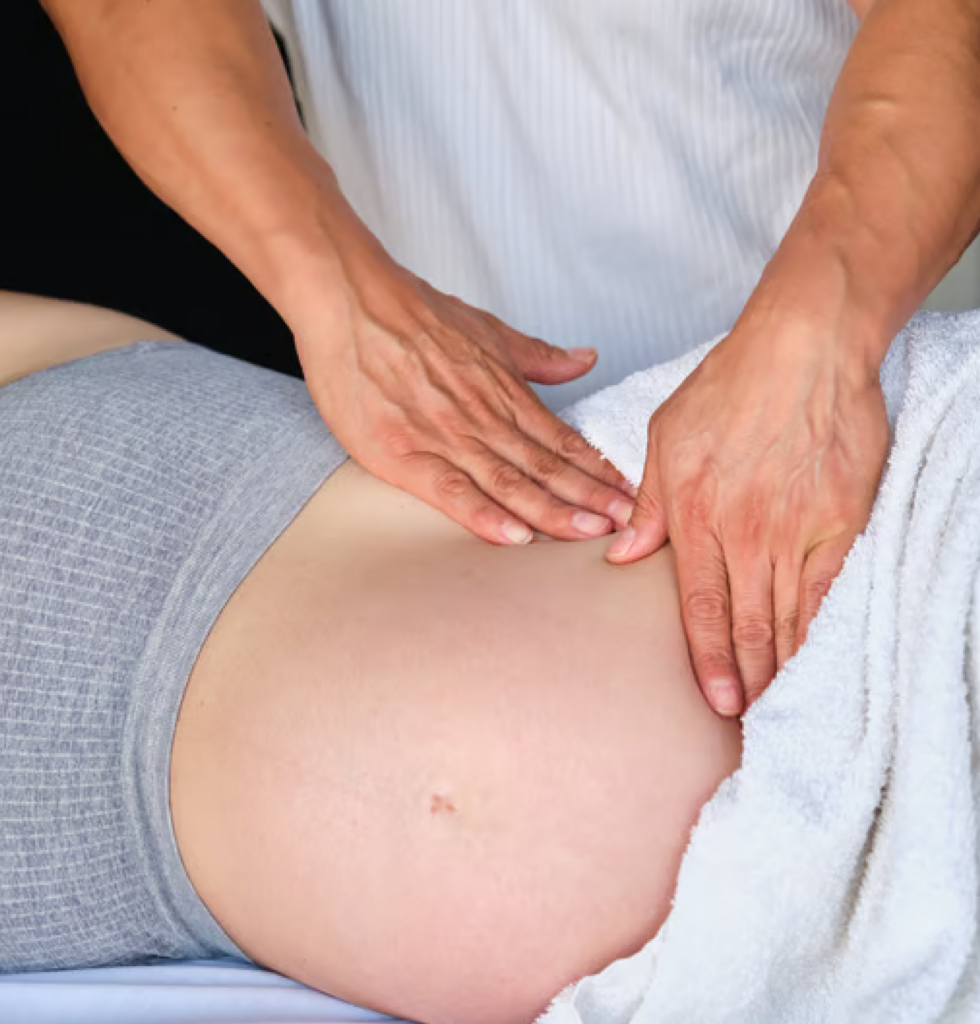
Understanding Pregnancy massage
Pregnancy massage is remedial massage adapted for a pregnant body. Your massage therapist positions you on your side with cushioning support, adjusts pressure, and works on the muscles carrying the extra load.
It is most often used for lower back pain, pelvic and hip discomfort, neck and shoulder tension, leg cramps and general heaviness. Sessions are available through the second and third trimesters, and after your baby arrives.
Who does it affect?
pregnant people at any stage, most commonly from around 16 weeks onwards
How common is it?
most people report back or pelvic pain at some point during pregnancy
What is the recovery like?
many notice relief the same day, and effects vary from person to person
Who should I see for treatment?
your remedial massage therapist, alongside your midwife or GP
What funding options are available?
Medicare, NDIS, DVA and private health funds accepted
What is pregnancy massage?
Pregnancy massage is hands-on soft tissue treatment delivered in a position that is comfortable and safe while you are pregnant. Your massage therapist changes the position, pressure and areas worked to suit your stage.
Most pregnancy discomfort builds gradually rather than starting with one incident. As your baby grows, your centre of gravity shifts forward and your pelvis widens. Muscles in your lower back, hips and shoulders then work harder to keep you upright.
What tends to contribute:
Weight gain through the second and third trimesters, which increases load through the lower back and pelvis
Relaxin and progesterone, hormones that soften ligaments and reduce joint stability
Postural change, including a deeper curve in the lower back and rounded shoulders
Broken sleep and long stretches of side-lying, which stiffen the neck, shoulders and hips
Symptoms of Pregnancy massage
Pregnancy massage is commonly booked for:
Lower back pain that builds through the day
Pelvic girdle pain across the pubic bone or at the back of the pelvis
Hip and glute pain, often worse after a night on one side
Neck, shoulder and upper back tension
Leg cramps and heaviness through the calves
Swelling in the hands, feet and ankles
Your treatment plan comes from a short assessment at the start of your first session, including how far along you are and how your pregnancy is tracking.
What to expect at your first appointment
Tell us what is going on
How many weeks you are, where the pain sits, how you are sleeping, and anything your midwife or GP has flagged.
A full assessment
Your massage therapist checks posture, movement and the areas causing pain, then confirms the safest position for you.
A clear plan
You get treatment on the day, plus a plan for pressure, position and how often to return.
Review and adjust
Your body changes every few weeks, so each session is adapted to the trimester you are in.
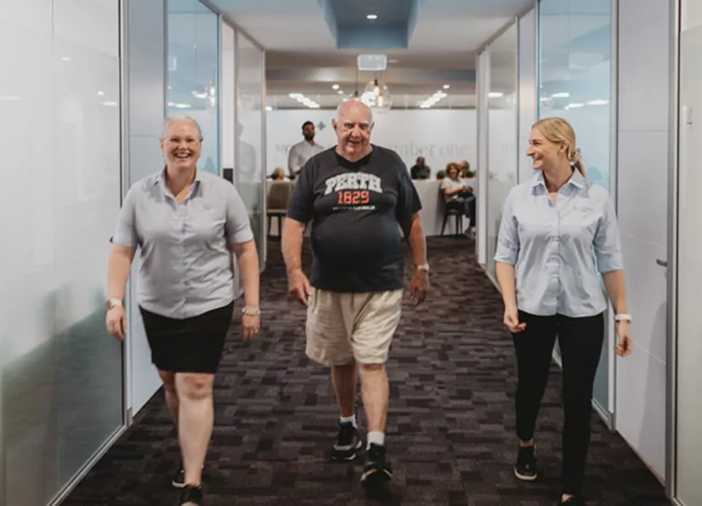
When to book an appointment
Back, hip or pelvic pain has lasted more than two weeks
Pain is interrupting your sleep, your work or your ability to walk comfortably
Heat packs, stretching and rest are no longer taking the edge off
You are unsure whether what you are feeling is normal pregnancy discomfort
Book an assessment if:
Looking after yourself at home
These steps help between sessions and suit most pregnancies.
Weight gain through the second and third trimesters, which increases load through the lower back and pelvis
Relaxin and progesterone, hormones that soften ligaments and reduce joint stability
Postural change, including a deeper curve in the lower back and rounded shoulders
Broken sleep and long stretches of side-lying, which stiffen the neck, shoulders and hips

Meet the team who treat this
Behind every appointment is a team of practitioners who know each other, trust each other and work together for you. Across seven clinics and nine disciplines, our team shares expertise, coordinates treatment plans and celebrates your progress together.

Aimee Fuller
Healthcare Support Officer
Available at Blaxland

Alicia Whiticker
Healthcare Support Officer
Available at Blaxland

Amanda Banks
Healthcare Support Officer
Available at Blaxland

Amanda Duggan
Healthcare Support Officer
Available at Blaxland

Amy Meekings
Healthcare Support Officer
Available at Blaxland

Anita Beerapu
Healthcare Support Officer
Available at Blaxland

Benjamin Tucker
Healthcare Support Officer
Available at Blaxland

Blake Cossar
Healthcare Support Officer
Available at Blaxland

Bronte Tupper
Healthcare Support Officer
Available at Blaxland

Chris Farrugia
Healthcare Support Officer
Available at Blaxland

Corrina Aitken
Healthcare Support Officer
Available at Blaxland

David Logue
Healthcare Support Officer
Available at Blaxland

Dean Gresser
Healthcare Support Officer
Available at Blaxland

Emma Nassif
Healthcare Support Officer
Available at Blaxland

Esha Sharma
Healthcare Support Officer
Available at Blaxland

Fatima Hussaini
Healthcare Support Officer
Available at Blaxland

Felicity Spencer-Davey
Healthcare Support Officer
Available at Blaxland

Frankie Raikadroka
Healthcare Support Officer
Available at Blaxland
Hannah Norrie
Healthcare Support Officer
Available at Blaxland
Heather Edwards
Healthcare Support Officer
Available at Blaxland

Isaac Vella
Healthcare Support Officer
Available at Blaxland
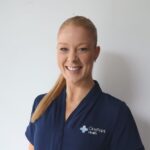
Jarrah Nesbitt
Healthcare Support Officer
Available at Blaxland

Jonathan Lopez
Healthcare Support Officer
Available at Blaxland

Justin Hanna
Healthcare Support Officer
Available at Blaxland

Kasey Collins
Healthcare Support Officer
Available at Blaxland

Katrina Gauci
Healthcare Support Officer
Available at Blaxland

Kennedy Touet
Healthcare Support Officer
Available at Blaxland

Kristy Edwards
Healthcare Support Officer
Available at Blaxland

Kyle Perry
Healthcare Support Officer
Available at Blaxland

Lorna Nicastri
Healthcare Support Officer
Available at Blaxland

Maja Bosic
Healthcare Support Officer
Available at Blaxland

Marxy Koronel
Healthcare Support Officer
Available at Blaxland

Matt Barton
Healthcare Support Officer
Available at Blaxland

Michael Todd
Healthcare Support Officer
Available at Blaxland

Mr Jeffery Jenkins FACPS
Healthcare Support Officer
Available at Blaxland

Nathan Cavanagh
Healthcare Support Officer
Available at Blaxland

Patrick Celeban
Healthcare Support Officer
Available at Blaxland

Praise Khin
Healthcare Support Officer
Available at Blaxland

Sarah Bonnici
Healthcare Support Officer
Available at Blaxland
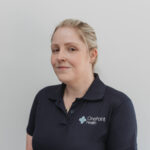
Shannon Smith
Healthcare Support Officer
Available at Blaxland

Siobhan Kelly
Healthcare Support Officer
Available at Blaxland

Taleisha Bozzi
Healthcare Support Officer
Available at Blaxland

Trystan Singh
Healthcare Support Officer
Available at Blaxland

Uty Kotwal
Healthcare Support Officer
Available at Blaxland

Yoni Hochberg
Healthcare Support Officer
Available at Blaxland

Zak Lloyd
Healthcare Support Officer
Available at Blaxland
EPC, DVA, NDIS and WorkCover welcome
Nearly half of our appointments are funded through Medicare, DVA, NDIS or WorkCover. We manage the paperwork so you can focus on your health.

NDIS
We support eligible NDIS participants across podiatry, physiotherapy, exercise physiology, dietetics and psychology, depending on your plan and goals. Eligibility and funding are set by your plan.

Medicare
Medicare may rebate podiatry, physiotherapy, exercise physiology and dietetics sessions when your GP refers you under an Enhanced Primary Care (EPC) or Chronic Disease Management (CDM) plan, and psychology sessions under a Mental Health Care Plan. The number of sessions is set by your plan.

DVA
Gold and White card holders can access DVA-funded care across our services with a valid referral.

WorkCover
If you have been injured at work, we accept WorkCover referrals for physiotherapy, exercise physiology and psychology, and manage the paperwork with your insurer, with a clear return-to-work plan.
Seven clinics across three regions
Find a clinic near you. Each location is staffed by local practitioners who know your community.
Penrith
Western SydneyOur largest centre, with our full range of services under one roof.
Ropes Crossing
Western SydneyPodiatry, at Ropes Crossing Village.
Blaxland
Blue MountainsPodiatry, physiotherapy, exercise physiology and group classes.
Springwood
Blue MountainsPodiatry, dietetics and a boutique footwear store.
Katoomba
Blue MountainsPodiatry, physiotherapy and dietetics, in a restored 1914 cottage.
Ryde
North ShorePodiatry, physiotherapy, dietetics and exercise physiology, with a footwear store and gait analysis.
Lindfield
North ShorePodiatry, with mobile podiatry across the North Shore and Northern Beaches.
Ready to take the pressure off your back and hips?
Book a pregnancy massage with a qualified remedial massage therapist at a time that suits you.














Frequently asked questions
Is pregnancy massage safe in the first trimester?
Many clinics wait until after 12 weeks before offering pregnancy massage, and we follow that approach. It is a precaution rather than evidence of harm, since the first trimester carries the highest background risk of complications regardless of treatment. If you are under 12 weeks and uncomfortable, talk to your midwife or GP first, then call us to discuss timing.
How will I lie on the table during a pregnancy massage?
You will lie on your side, supported with pillows under your bump, between your knees and behind your back. This keeps you off your stomach and avoids lying flat on your back, which can compress a major vein and leave you light-headed. Some work may be done seated or semi-reclined. You can change position at any point.
Can pregnancy massage bring on labour?
There is no good evidence that massage triggers labour in a healthy pregnancy. Certain acupressure points are traditionally avoided during pregnancy, and your massage therapist will work around them as a precaution. If you are past your due date and hoping to encourage labour, that is a conversation for your midwife or obstetrician rather than a massage booking.
Do I need approval from my midwife or GP first?
Most people do not. Clearance is worth getting if you have a high-risk pregnancy, pre-eclampsia, high blood pressure, gestational diabetes, a history of blood clots, placenta praevia, or if you are carrying multiples. Bring any advice you have been given to your appointment so your massage therapist can work within it.
Can I have massage after my baby is born?
Yes. Post-natal massage is commonly booked from around six weeks after a vaginal birth, or once your caesarean wound has healed and you have been cleared at your postnatal check. Common reasons include upper back and neck tension from feeding positions, shoulder pain from carrying, and general recovery. Babies are welcome at the clinic. [CONFIRM: babies welcome in treatment rooms]
What should I tell my massage therapist before we start?
Tell us how many weeks you are, whether this pregnancy has had any complications, any medication you are taking, and where the pain sits. Also mention nausea, reflux, dizziness when lying down, varicose veins, or areas that feel sensitive. This shapes your position, the pressure used and the areas we avoid.