

PTSD treatment
Get your sleep, your focus and your relationships back
The memories arrive uninvited, sleep is broken, and small things put you on high alert. PTSD is treatable, and structured therapy can reduce how much it runs your week.
Medicare, NDIS, and private health funds accepted.

Understanding PTSD treatment
Post-traumatic stress disorder, or PTSD, is a recognised mental health condition that can develop after a frightening, violent or life-threatening event. It keeps your nervous system stuck in threat mode long after the danger has passed.
Our psychologists use evidence-based treatments to help you process what happened and get your daily functioning back. You do not need to be in crisis to start, and you do not need to have all the words ready.
Who does it affect?
adults and young people who have experienced or witnessed trauma, including workplace and first responder trauma
How common is it?
it is estimated that about 11% of Australians experience PTSD at some point in their lives (2020-2022 National Study of Mental Health and Wellbeing)
What is the recovery like?
varies from person to person, and depends on the type of trauma, how long symptoms have been present and what else is going on
Who should I see for treatment?
a psychologist, working with your GP where medication or a mental health plan is involved
What funding options are available?
Medicare, NDIS, and private health funds accepted
What is PTSD?
PTSD is a set of symptoms that persist after a traumatic event, rather than a sign that you are weak or not coping. Most people feel shaken after trauma. For some, the distress does not settle, and the brain keeps treating the memory as a current threat.
That is why the reminders feel so physical. Your body responds to a smell, a sound or a date as though the event is happening again, and you start avoiding anything that might set it off. Avoidance brings short-term relief and long-term shrinkage of your life.
Factors that can increase the risk of PTSD developing include:
Repeated or prolonged exposure to trauma, including work-related exposure in emergency services, health, transport and defence
Trauma involving physical injury, assault or the death of someone close to you
Limited support after the event, or not being believed when you spoke up
Existing anxiety, depression or previous trauma, including trauma in childhood
Symptoms of PTSD treatment
PTSD usually shows up across four areas: re-experiencing, avoidance, mood changes and being permanently on alert.
Flashbacks, nightmares or intrusive memories that feel like the event is happening now
Avoiding places, people, conversations or news coverage that bring the event back
Trouble falling or staying asleep, and waking up exhausted
Feeling numb, detached from people you love, or unable to feel positive emotions
Irritability, anger or a short fuse that does not match the situation
Being constantly on guard, startling easily, or scanning every room you walk into
Your treatment plan comes out of your first assessment, not out of a template
What to expect at your first appointment
Tell us what is going on
You set the pace. You can describe the impact on your sleep, work and relationships without describing the event itself.
A full assessment
Your psychologist looks at your symptoms, your history, your risk, your supports and anything else affecting you, such as anxiety, depression, pain or substance use.
A clear plan
You leave knowing which therapy is being recommended, why it suits your situation, what the sessions involve and roughly how often you will attend.
Review and adjust
Progress is tracked over time, and the approach is changed if it is not doing what it should.
When to book an appointment
Symptoms have lasted more than a month after the event
Sleep, work, driving, study or your relationships have taken a hit
You have tried to manage it by keeping busy, avoiding reminders or drinking, and it is not holding
You are not sure whether what you are experiencing is PTSD, anxiety or something else
Book an assessment if:
Looking after yourself at home
These habits support treatment. They are not a substitute for it.
Repeated or prolonged exposure to trauma, including work-related exposure in emergency services, health, transport and defence
Trauma involving physical injury, assault or the death of someone close to you
Limited support after the event, or not being believed when you spoke up
Existing anxiety, depression or previous trauma, including trauma in childhood

Meet the team who treat this
Behind every appointment is a team of practitioners who know each other, trust each other and work together for you. Across seven clinics and nine disciplines, our team shares expertise, coordinates treatment plans and celebrates your progress together.

Aimee Fuller
Healthcare Support Officer
Available at Blaxland

Alicia Whiticker
Healthcare Support Officer
Available at Blaxland

Amanda Banks
Healthcare Support Officer
Available at Blaxland

Amanda Duggan
Healthcare Support Officer
Available at Blaxland

Amy Meekings
Healthcare Support Officer
Available at Blaxland

Anita Beerapu
Healthcare Support Officer
Available at Blaxland
Benjamin Tucker
Healthcare Support Officer
Available at Blaxland

Blake Cossar
Healthcare Support Officer
Available at Blaxland

Bronte Tupper
Healthcare Support Officer
Available at Blaxland

Chris Farrugia
Healthcare Support Officer
Available at Blaxland

Corrina Aitken
Healthcare Support Officer
Available at Blaxland

David Logue
Healthcare Support Officer
Available at Blaxland

Dean Gresser
Healthcare Support Officer
Available at Blaxland

Emma Nassif
Healthcare Support Officer
Available at Blaxland

Esha Sharma
Healthcare Support Officer
Available at Blaxland

Fatima Hussaini
Healthcare Support Officer
Available at Blaxland

Felicity Spencer-Davey
Healthcare Support Officer
Available at Blaxland

Frankie Raikadroka
Healthcare Support Officer
Available at Blaxland
Hannah Norrie
Healthcare Support Officer
Available at Blaxland

Heather Edwards
Healthcare Support Officer
Available at Blaxland

Isaac Vella
Healthcare Support Officer
Available at Blaxland

Jarrah Nesbitt
Healthcare Support Officer
Available at Blaxland

Jonathan Lopez
Healthcare Support Officer
Available at Blaxland

Justin Hanna
Healthcare Support Officer
Available at Blaxland

Kasey Collins
Healthcare Support Officer
Available at Blaxland

Katrina Gauci
Healthcare Support Officer
Available at Blaxland
Kennedy Touet
Healthcare Support Officer
Available at Blaxland

Kristy Edwards
Healthcare Support Officer
Available at Blaxland

Kyle Perry
Healthcare Support Officer
Available at Blaxland

Lorna Nicastri
Healthcare Support Officer
Available at Blaxland

Maja Bosic
Healthcare Support Officer
Available at Blaxland

Marxy Koronel
Healthcare Support Officer
Available at Blaxland

Matt Barton
Healthcare Support Officer
Available at Blaxland

Michael Todd
Healthcare Support Officer
Available at Blaxland

Mr Jeffery Jenkins FACPS
Healthcare Support Officer
Available at Blaxland
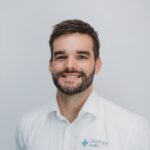
Nathan Cavanagh
Healthcare Support Officer
Available at Blaxland

Patrick Celeban
Healthcare Support Officer
Available at Blaxland

Praise Khin
Healthcare Support Officer
Available at Blaxland

Sarah Bonnici
Healthcare Support Officer
Available at Blaxland

Shannon Smith
Healthcare Support Officer
Available at Blaxland

Siobhan Kelly
Healthcare Support Officer
Available at Blaxland

Taleisha Bozzi
Healthcare Support Officer
Available at Blaxland

Trystan Singh
Healthcare Support Officer
Available at Blaxland

Uty Kotwal
Healthcare Support Officer
Available at Blaxland

Yoni Hochberg
Healthcare Support Officer
Available at Blaxland

Zak Lloyd
Healthcare Support Officer
Available at Blaxland
EPC, DVA, NDIS and WorkCover welcome
Nearly half of our appointments are funded through Medicare, DVA, NDIS or WorkCover. We manage the paperwork so you can focus on your health.


NDIS
We support eligible NDIS participants across podiatry, physiotherapy, exercise physiology, dietetics and psychology, depending on your plan and goals. Eligibility and funding are set by your plan.

Medicare
Medicare may rebate podiatry, physiotherapy, exercise physiology and dietetics sessions when your GP refers you under an Enhanced Primary Care (EPC) or Chronic Disease Management (CDM) plan, and psychology sessions under a Mental Health Care Plan. The number of sessions is set by your plan.

DVA
Gold and White card holders can access DVA-funded care across our services with a valid referral.

WorkCover
If you have been injured at work, we accept WorkCover referrals for physiotherapy, exercise physiology and psychology, and manage the paperwork with your insurer, with a clear return-to-work plan.
Seven clinics across three regions
Find a clinic near you. Each location is staffed by local practitioners who know your community.
Penrith
Western SydneyOur largest centre, with our full range of services under one roof.
Ropes Crossing
Western SydneyPodiatry, at Ropes Crossing Village.
Blaxland
Blue MountainsPodiatry, physiotherapy, exercise physiology and group classes.
Springwood
Blue MountainsPodiatry, dietetics and a boutique footwear store.
Katoomba
Blue MountainsPodiatry, physiotherapy and dietetics, in a restored 1914 cottage.
Ryde
North ShorePodiatry, physiotherapy, dietetics and exercise physiology, with a footwear store and gait analysis.
Lindfield
North ShorePodiatry, with mobile podiatry across the North Shore and Northern Beaches.
Ready to stop the past running your week?
Book an appointment with a psychologist and get a clear plan for treating PTSD.















Frequently asked questions
Is PTSD treatment covered by WorkCover?
Yes, psychological treatment for work-related PTSD can be funded through a workers compensation claim once it is accepted. You will usually need a certificate of capacity from your GP and approval from the insurer before sessions begin. Tell us at booking that it is a WorkCover matter so the paperwork and invoicing are set up correctly from the first appointment. [CONFIRM: WorkCover claims accepted for psychology at all sites, and which insurers]
What is the difference between PTSD and complex PTSD?
Complex PTSD describes symptoms that follow repeated or prolonged trauma, often over years and often where escape was difficult. Alongside the usual PTSD symptoms, it involves persistent difficulty regulating emotions, a deeply negative view of yourself, and trouble with relationships. Treatment tends to run longer and puts more early work into stability and emotional regulation before processing memories.
Do I have to describe the traumatic event in detail?
No, not at the first appointment and not before you are ready. Assessment focuses on your symptoms and their impact, and you can complete it without recounting the event. Some therapies do involve revisiting the memory later, and this is always explained, planned and paced with you first. You can stop or slow down at any point.
Can PTSD be treated years after the event?
Yes. Trauma-focused therapies have been used successfully with people whose symptoms have been present for decades, including veterans and survivors of childhood abuse. How long the symptoms have been there matters less than whether the memory is still being processed as a current threat. Long-standing PTSD may take more sessions, and outcomes vary between people.
Can a psychologist diagnose PTSD?
Yes. A registered psychologist can assess and diagnose PTSD using a clinical interview and validated questionnaires, and can provide a written summary for your GP, insurer or employer. Psychologists do not prescribe medication. If medication is likely to help alongside therapy, your psychologist will recommend a review with your GP or a psychiatrist.
Can I bring a partner or family member to a session?
Yes, you are welcome to bring someone to your first appointment, and many people do. They can help with history and with remembering the plan. Part of the session is usually spent one to one so you can speak freely. Later sessions are generally individual, though family may be included where it supports the treatment plan.