

Weight loss dietitian
Lose weight in a way that fits your life and stays that way
You have lost weight before and watched it come back, and you are not sure what to change this time. Weight management is a health issue you can get proper support with, not a willpower test.
Medicare, NDIS, DVA and private health funds accepted.
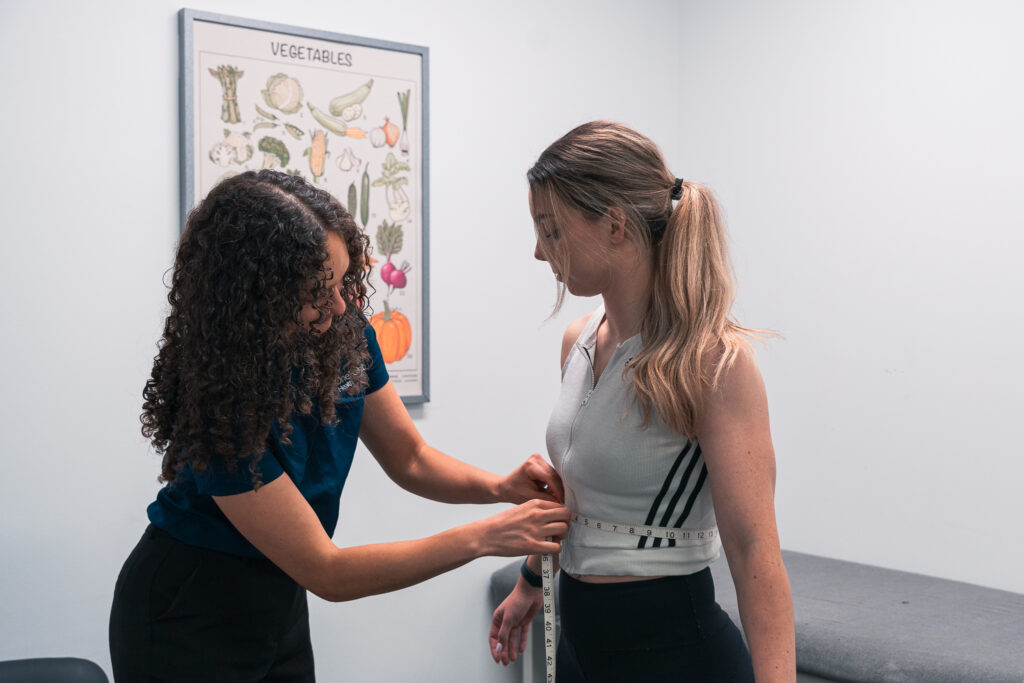
Understanding Weight loss dietitian
A weight loss dietitian is an Accredited Practising Dietitian who helps you change what you eat, when you eat and how you plan food, so your weight moves in the direction you want. You get a plan built around your tastes, your budget, your work hours and any health conditions you already manage.
Weight is not only about willpower. Appetite hormones, sleep, stress, medications, life stage and a long history of dieting all change how your body holds weight. Your dietitian works with those factors instead of handing you another restrictive diet.
Who does it affect?
adults of any age and any starting weight, including people managing blood pressure, joint pain, fertility or metabolic health.
How common is it?
around two in three Australian adults are above the healthy weight range. [CONFIRM: ABS National Health Survey figure and year]
What is the recovery like?
varies. Most people work with a dietitian across several months, with reviews spaced further apart as new habits hold.
Who should I see for treatment?
your dietitian, often alongside an exercise physiologist or physiotherapist.
What funding options are available?
Medicare, NDIS, DVA and private health funds accepted.
What is a weight loss dietitian?
A weight loss dietitian is a university-qualified health professional who assesses your eating, your medical history and your daily routine, then builds a nutrition plan you can actually keep up. Unlike a generic diet, the plan changes as your life changes.
Weight gain usually builds slowly, over years, through a mix of factors you did not choose. Sleep drops, work hours stretch, an injury stops your exercise, or a medication changes your appetite. Each round of restrictive dieting can then make hunger stronger and food feel harder to control.
Common contributing factors include:
Appetite and fullness hormones, which shift after weight loss and drive hunger back up
Broken sleep, shift work and ongoing stress, which raise cravings for quick energy
Medications such as some antidepressants, steroids and hormone treatments
Health conditions including insulin resistance, thyroid problems and polycystic ovary syndrome
Life stages such as pregnancy, menopause and retirement, when routines and metabolism change
A long history of dieting, skipping meals and cutting whole food groups
Symptoms of Weight loss dietitian
Your weight has climbed steadily and nothing you have tried has held past a few months
You feel hungry most of the day, or you eat well until the evening and then lose control
Your energy is flat, your clothes fit differently and your usual activity feels harder
A doctor has raised your blood pressure, cholesterol, blood glucose or liver results
Joint pain, back pain or breathlessness is limiting what you can do
You are eating "healthy" food but your portions, timing or drinks are working against you
Your plan comes out of the assessment, so two people with the same goal rarely leave with the same plan.
What to expect at your first appointment
Tell us what is going on
You talk through your weight history, what you have tried, your health conditions, medications and what a normal week of eating looks like.
A full assessment
Your dietitian reviews your intake, appetite patterns, activity, sleep and relevant blood results, with body measurements only if you are comfortable.
A clear plan
You leave with specific changes for the next few weeks, written down, ranked by what will make the biggest difference.
Review and adjust
At follow-up you report what worked and what did not, and your dietitian reshapes the plan around real life.
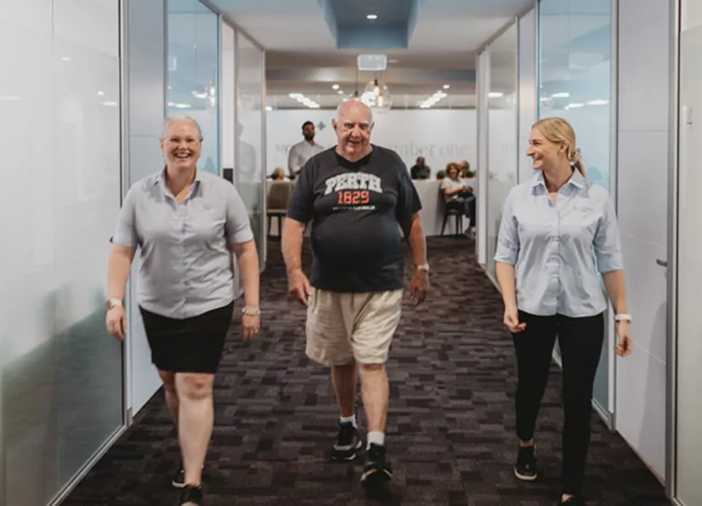
When to book an appointment
Your weight has been a concern for more than six months and is not shifting
It is affecting your energy, your joints, your sleep or your confidence at work
You have tried tracking apps, meal replacements or cutting carbohydrates without lasting results
You are unsure what to eat around a new medication, a health diagnosis or upcoming surgery
Looking after yourself at home
Small, repeatable changes hold better than an overhaul you abandon by week three.
Appetite and fullness hormones, which shift after weight loss and drive hunger back up
Broken sleep, shift work and ongoing stress, which raise cravings for quick energy
Medications such as some antidepressants, steroids and hormone treatments
Health conditions including insulin resistance, thyroid problems and polycystic ovary syndrome
Life stages such as pregnancy, menopause and retirement, when routines and metabolism change
A long history of dieting, skipping meals and cutting whole food groups

Meet the team who treat this
Behind every appointment is a team of practitioners who know each other, trust each other and work together for you. Across seven clinics and nine disciplines, our team shares expertise, coordinates treatment plans and celebrates your progress together.

Aimee Fuller
Healthcare Support Officer
Available at Blaxland

Alicia Whiticker
Healthcare Support Officer
Available at Blaxland

Amanda Banks
Healthcare Support Officer
Available at Blaxland
Amanda Duggan
Healthcare Support Officer
Available at Blaxland

Amy Meekings
Healthcare Support Officer
Available at Blaxland

Anita Beerapu
Healthcare Support Officer
Available at Blaxland

Benjamin Tucker
Healthcare Support Officer
Available at Blaxland

Blake Cossar
Healthcare Support Officer
Available at Blaxland

Bronte Tupper
Healthcare Support Officer
Available at Blaxland

Chris Farrugia
Healthcare Support Officer
Available at Blaxland

Corrina Aitken
Healthcare Support Officer
Available at Blaxland

David Logue
Healthcare Support Officer
Available at Blaxland

Dean Gresser
Healthcare Support Officer
Available at Blaxland

Emma Nassif
Healthcare Support Officer
Available at Blaxland

Esha Sharma
Healthcare Support Officer
Available at Blaxland

Fatima Hussaini
Healthcare Support Officer
Available at Blaxland

Felicity Spencer-Davey
Healthcare Support Officer
Available at Blaxland

Frankie Raikadroka
Healthcare Support Officer
Available at Blaxland
Hannah Norrie
Healthcare Support Officer
Available at Blaxland
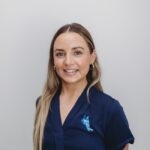
Heather Edwards
Healthcare Support Officer
Available at Blaxland

Isaac Vella
Healthcare Support Officer
Available at Blaxland

Jarrah Nesbitt
Healthcare Support Officer
Available at Blaxland

Jonathan Lopez
Healthcare Support Officer
Available at Blaxland

Justin Hanna
Healthcare Support Officer
Available at Blaxland

Kasey Collins
Healthcare Support Officer
Available at Blaxland

Katrina Gauci
Healthcare Support Officer
Available at Blaxland

Kennedy Touet
Healthcare Support Officer
Available at Blaxland

Kristy Edwards
Healthcare Support Officer
Available at Blaxland

Kyle Perry
Healthcare Support Officer
Available at Blaxland

Lorna Nicastri
Healthcare Support Officer
Available at Blaxland

Maja Bosic
Healthcare Support Officer
Available at Blaxland

Marxy Koronel
Healthcare Support Officer
Available at Blaxland

Matt Barton
Healthcare Support Officer
Available at Blaxland

Michael Todd
Healthcare Support Officer
Available at Blaxland

Mr Jeffery Jenkins FACPS
Healthcare Support Officer
Available at Blaxland

Nathan Cavanagh
Healthcare Support Officer
Available at Blaxland

Patrick Celeban
Healthcare Support Officer
Available at Blaxland

Praise Khin
Healthcare Support Officer
Available at Blaxland

Sarah Bonnici
Healthcare Support Officer
Available at Blaxland

Shannon Smith
Healthcare Support Officer
Available at Blaxland

Siobhan Kelly
Healthcare Support Officer
Available at Blaxland
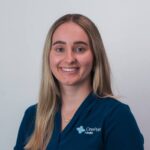
Taleisha Bozzi
Healthcare Support Officer
Available at Blaxland

Trystan Singh
Healthcare Support Officer
Available at Blaxland

Uty Kotwal
Healthcare Support Officer
Available at Blaxland

Yoni Hochberg
Healthcare Support Officer
Available at Blaxland

Zak Lloyd
Healthcare Support Officer
Available at Blaxland
EPC, DVA, NDIS and WorkCover welcome
Nearly half of our appointments are funded through Medicare, DVA, NDIS or WorkCover. We manage the paperwork so you can focus on your health.


NDIS
We support eligible NDIS participants across podiatry, physiotherapy, exercise physiology, dietetics and psychology, depending on your plan and goals. Eligibility and funding are set by your plan.

Medicare
Medicare may rebate podiatry, physiotherapy, exercise physiology and dietetics sessions when your GP refers you under an Enhanced Primary Care (EPC) or Chronic Disease Management (CDM) plan, and psychology sessions under a Mental Health Care Plan. The number of sessions is set by your plan.

DVA
Gold and White card holders can access DVA-funded care across our services with a valid referral.

WorkCover
If you have been injured at work, we accept WorkCover referrals for physiotherapy, exercise physiology and psychology, and manage the paperwork with your insurer, with a clear return-to-work plan.
Seven clinics across three regions
Find a clinic near you. Each location is staffed by local practitioners who know your community.
Penrith
Western SydneyOur largest centre, with our full range of services under one roof.
Ropes Crossing
Western SydneyPodiatry, at Ropes Crossing Village.
Blaxland
Blue MountainsPodiatry, physiotherapy, exercise physiology and group classes.
Springwood
Blue MountainsPodiatry, dietetics and a boutique footwear store.
Katoomba
Blue MountainsPodiatry, physiotherapy and dietetics, in a restored 1914 cottage.
Ryde
North ShorePodiatry, physiotherapy, dietetics and exercise physiology, with a footwear store and gait analysis.
Lindfield
North ShorePodiatry, with mobile podiatry across the North Shore and Northern Beaches.
Ready to stop starting over?
Get a weight loss plan built around your food, your health and your week.















Frequently asked questions
What is the difference between a dietitian and a nutritionist?
Accredited Practising Dietitians hold a university degree in dietetics, are qualified to provide medical nutrition therapy, and are the only nutrition professionals covered by Medicare Chronic Disease Management plans. The title “nutritionist” is not protected in Australia, so training varies widely. All dietitians at OnePointHealth are Accredited Practising Dietitians, which also makes your appointments claimable through private health extras.
Can you support me if I am taking a weight loss medication?
Yes. Medications such as semaglutide and tirzepatide are prescribed by your doctor, not by a dietitian, but nutrition support alongside them matters. Reduced appetite makes it easy to fall short on protein, fibre, calcium and iron, and to lose muscle along with fat. Your dietitian helps you eat enough of the right things, manage nausea and constipation, and plan for what happens if you stop the medication.
Do I have to count calories or weigh my food?
No. Tracking suits some people and backfires for others, particularly if you have a history of dieting or disordered eating. Many plans use hand-based portion guides, plate models or simple meal templates instead. Your dietitian will ask how you respond to numbers and choose an approach you can sustain, then change it if it stops working for you.
Will I be weighed at every appointment?
Only if you want to be. Some people find regular weighing motivating, while others find it discouraging and would rather track waist measurements, blood results, energy, fitness or how clothes fit. Weight also moves for reasons unrelated to fat, including fluid, hormones and bowel habits. Tell your dietitian your preference at the first visit and it will be recorded.
How many appointments will I need?
Most people start with an initial consultation and two or three reviews across the first few months, then move to longer gaps. Early reviews are usually spaced two to four weeks apart, because that is when questions come up and plans need adjusting. Some people continue with occasional check-ins to hold changes in place. You decide the pace with your dietitian.
Can I see a dietitian if I have a history of yo-yo dieting or disordered eating?
Yes, and it is worth mentioning at the first appointment. Repeated cycles of restriction and regain change appetite signals and your relationship with food, so a standard weight loss approach can make things worse. Your dietitian can focus first on regular eating, adequate intake and reducing food rules, and can work with your GP or psychologist where that support is helpful.