


Mealtimes don’t have to be a battle. If dinner regularly ends in tears, refused plates, or a general sense of dread before you’ve even sat down, you’re far from alone. It’s completely normal for children to have changing appetites and food preferences as they grow — but that doesn’t make the day-to-day reality any less exhausting for parents.
The good news is that creating a calm, positive mealtime environment can help children feel more confident around food and encourage healthy eating habits over time. Here are five simple, dietitian-recommended strategies to help reduce stress around mealtimes in your household.
1. Keep a Regular Meal and Snack Time
Children do best with predictable eating times. Offering meals and snacks roughly every two to three hours helps them come to the table genuinely hungry — without becoming overly hungry, tired, or “hangry” by the time food is served.
It’s worth avoiding grazing throughout the day, as constant snacking can reduce appetite at mealtimes and make it harder for children to eat well when it actually matters. A simple routine — breakfast, morning tea, lunch, afternoon tea, dinner — gives structure without being overly rigid.
2. Take the Pressure Off
It’s natural to want your child to eat well, but pressure at the table can backfire. Avoid forcing, bribing, or negotiating over food — for example, offering dessert as a reward for finishing vegetables. Pressure can increase anxiety around eating and make children less willing to try new foods, not more.
Instead, try gently encouraging your child to try the food on offer, without forcing them, and stay calm if they refuse. Remember: it’s your job to decide what, when, and where food is offered — but it’s your child’s job to decide whether and how much they eat from what’s in front of them. Letting go of that control, even a little, often reduces tension for everyone at the table.
3. Keep Offering New Foods
One rejected bite doesn’t mean a food is off the table forever. Children often need to see a new food many times — sometimes ten, fifteen, or more — before they feel comfortable trying it. Don’t be discouraged if it’s refused the first few times; this is a completely normal part of learning to eat.
A useful approach is to offer small portions of a new food alongside at least one familiar, well-liked food, without any expectation that your child will eat it straight away. Over time, repeated, low-pressure exposure builds familiarity and comfort.
4. Get Your Child Involved
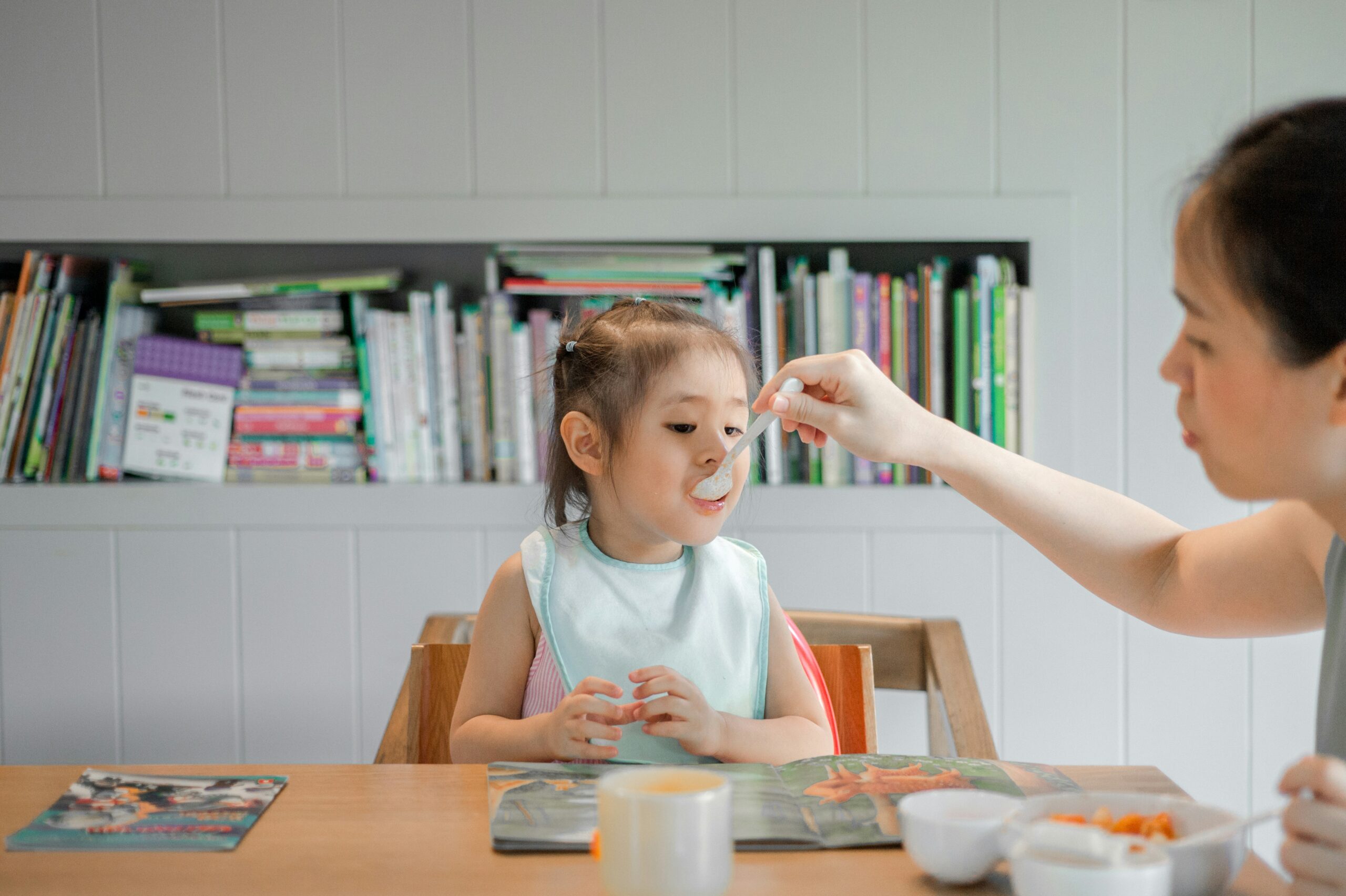
Children are more likely to try foods that they’ve had a hand in choosing or preparing. Involving them in small, age-appropriate ways can help build confidence and curiosity around food. This might include picking a fruit or vegetable at the supermarket, stirring ingredients, helping set the table, or serving their own meal.
These small moments of involvement shift food from something that’s simply presented to them, to something they’ve had a role in creating — which can make a noticeable difference to willingness to try new things.
5. Reduce Distractions
Turning off televisions, tablets, and phones during meals helps children focus on eating, recognise when they’re full, and enjoy family conversation. Screens can be a useful tool in moments of chaos, but relying on them regularly during meals can make it harder for children to tune into their own hunger and fullness cues — and can reduce the shared, social value of mealtimes.
Aiming for even one screen-free meal a day, eaten together as a family where possible, can make a meaningful difference over time.
Keeping Perspective
Keeping mealtimes calm, consistent, and pressure-free helps children develop healthy eating habits that last a lifetime. Progress with fussy eating or mealtime stress is rarely linear — some days will go more smoothly than others, and that’s normal. The goal isn’t a perfect mealtime every night; it’s building a generally positive, low-pressure relationship with food over time.
When to Seek Extra Support
While some mealtime challenges are a normal part of childhood development, others may benefit from professional guidance. Consider seeking dietitian support if your child:
- Eats fewer than about 20 different foods
- Avoids entire food groups
- Becomes distressed around new foods
- Has poor growth or weight gain
- Has mealtimes that regularly last longer than 30–45 minutes
- Has feeding difficulties, or chewing or swallowing concerns
- Has a medical condition affecting eating or nutrition
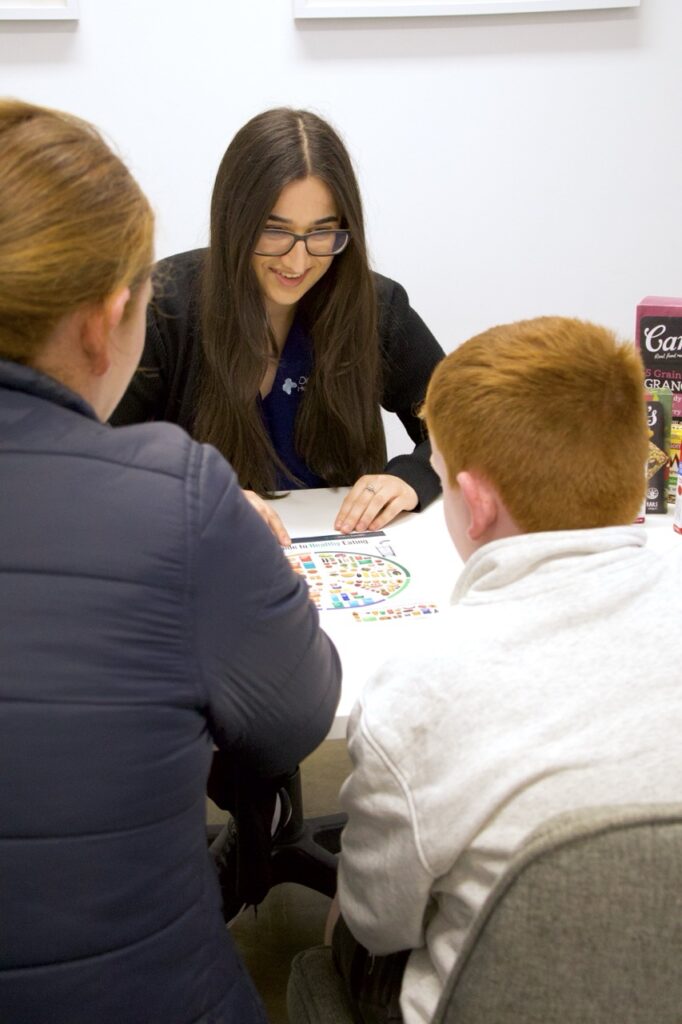
A dietitian can help identify the cause of feeding difficulties and provide practical strategies to make mealtimes more enjoyable, while supporting your child’s nutrition and growth.
Book an Appointment With Our Paediatric Dietitian
If your child has a diagnosed food allergy or intolerance — or you suspect one and aren’t sure where to start — our paediatric dietitian is here to help. OnePointHealth offers convenient appointments across our NSW locations, including Penrith, Ryde, Katoomba, Blaxland, Springwood, Ropes Crossing, and Lindfield.
Book online today or contact our friendly team to find out how personalised dietetic support can help your child eat safely and confidently.