

For many individuals and couples, the journey to parenthood begins long before a positive pregnancy test. While factors such as age, genetics, and overall health all play important roles in fertility, nutrition is one area that can have a significant impact on reproductive health for both men and women.
Research continues to show that dietary habits can influence hormone balance, egg and sperm quality, ovulation, and overall fertility outcomes. Whether you’re actively trying to conceive, planning for pregnancy in the future, or preparing for fertility treatment, optimising your nutrition can help create the best possible environment for conception.
What Is Fertility Nutrition?
Fertility nutrition focuses on using evidence-based dietary strategies to support reproductive health and improve fertility outcomes. Rather than following restrictive diets or relying on the latest social media trends, fertility nutrition aims to provide your body with the nutrients it needs to support healthy hormone function, egg and sperm development, and overall wellbeing.
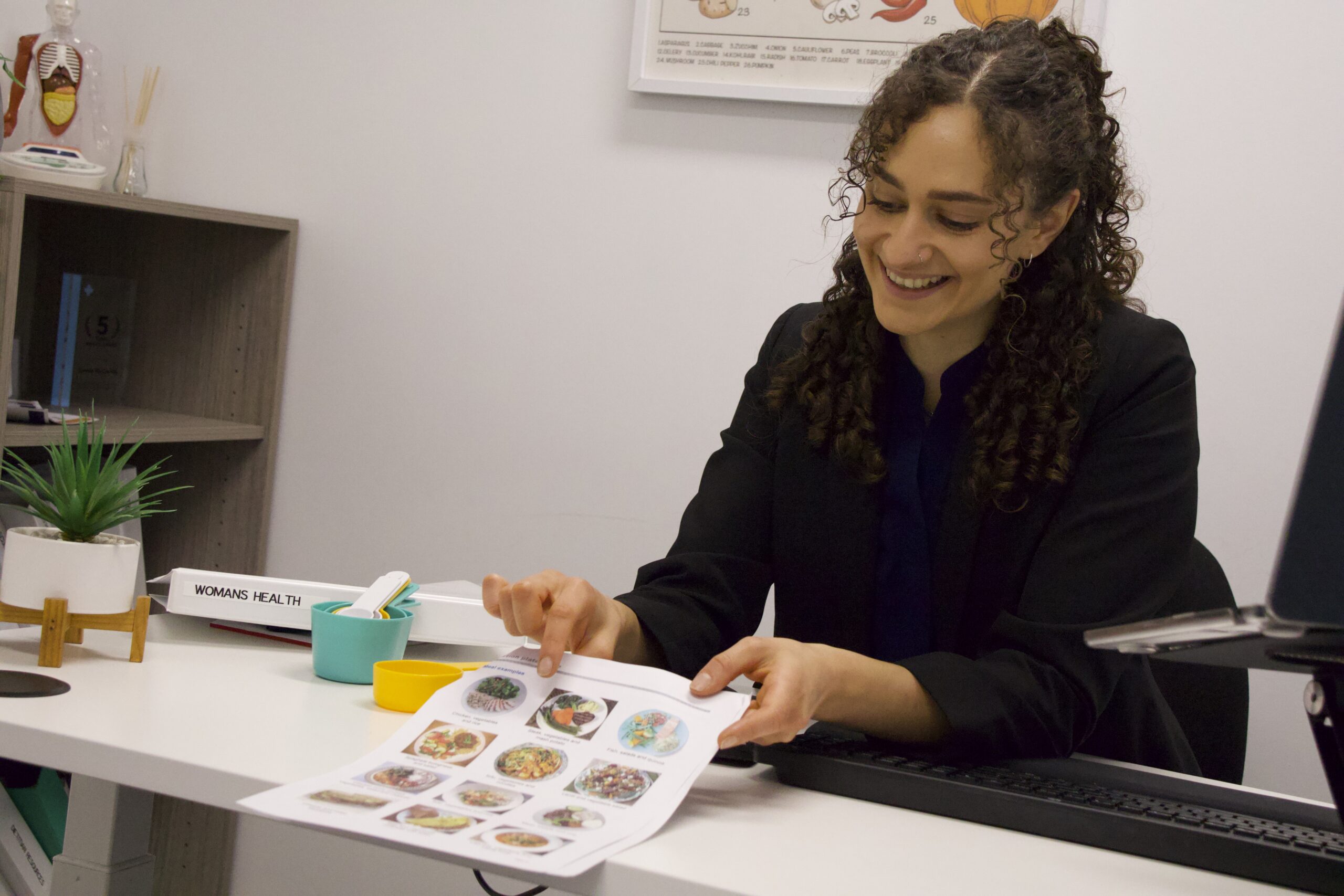
A Fertility Dietitian works closely with individuals and couples to identify nutritional gaps, address underlying health concerns, and create personalised strategies to support their fertility journey.
How Does Nutrition Affect Fertility?
Nutrition influences many of the processes involved in conception and pregnancy.
Hormone Health
Hormones play a crucial role in regulating ovulation, menstrual cycles, and reproductive function. Medical conditions, such as PMOS, poor nutrition, nutrient deficiencies, and being over or underweight can impact hormone production and regulation making it difficult for the body to function optimally.
A nutrient rich diet that supports your personal health and wellbeing can aid in healthy hormone regulation and reproductive health.
Egg Quality
Women are born with all the eggs they will ever have, but lifestyle factors can influence egg quality over time. Nutrients such as antioxidants, folate, omega-3 fatty acids, and vitamin D can help protect eggs from oxidative stress and support overall reproductive health. By optimising these nutrients as well as following an anti-inflammatory diet, egg quality can improve, supporting conception.
Sperm Health
Fertility is not solely a women’s health issue. Male factors can play a significant role in fertility challenges experienced by couples trying to conceive. Nutrition can influence sperm count, motility (movement), and morphology (shape). A diet rich in antioxidants, healthy fats, zinc, selenium, and other essential nutrients can help support healthy sperm production and function.
Maintaining a Healthy Weight
Both underweight and overweight individuals may experience challenges with fertility. Body weight can influence hormone levels, ovulation, menstrual regularity, sperm health and fertility outcomes.
Achieving a healthy and sustainable weight through balanced nutrition can improve reproductive health and increase the likelihood of conception.
Key Nutrients That Support Fertility
While there is no single “fertility food,” certain nutrients play important roles in reproductive health.
Folate for fertility
Folate is essential before and during pregnancy. It supports healthy cell growth and development and helps reduce the risk of neural tube defects.
Food sources include:
- Leafy green vegetables
- Legumes
- Citrus fruits
- Fortified grain products
Women planning a pregnancy are generally recommended to take a folic acid supplement 3 months prior to conception. Consult a health professional when deciding which supplement is suitable.
Iron
Iron supports oxygen transport throughout the body and plays an important role in reproductive health. Certain types of iron are better absorbed than others and often women are deficient in iron. Before supplementing iron, obtain a blood test and consult a health professional.
Good food sources of iron include:
- Lean red meat
- Poultry
- Seafood
- Legumes
- Spinach
Omega-3 Fatty Acids
Omega-3 fats can help support hormone production, reduce inflammation, and contribute to overall reproductive health.
Sources include:
- Salmon
- Sardines
- Tuna
- Chia seeds
- Flaxseeds
- Walnuts
There is evidence suggesting certain doses of fish oil can improve egg quality, especially in women with Endometriosis or PMOS. Consult a health professional before considering a supplement.

Vitamin D
Vitamin D is involved in many aspects of reproductive health and hormone regulation. Low vitamin D levels are common and may impact fertility outcomes. Before supplementing vitamin D, obtain a blood test and consult a health professional.
Sources include:
- Sunlight exposure
- Fatty fish
- Fortified foods
Zinc
Zinc plays an important role in both male and female fertility and is involved in cell growth and reproductive function.
Sources include:
- Seafood
- Lean meats
- Dairy products
- Nuts and seeds
- Wholegrains
Common Conditions Where Nutrition Can Help
Polyendocrine Metabolic Ovarian Syndrome (PMOS)- previously PCOS
PMOS is one of the most common causes of ovulatory infertility. Nutrition strategies can help improve insulin sensitivity, support hormone balance, and promote regular ovulation.
Endometriosis
While nutrition cannot cure endometriosis, dietary strategies may help support overall health and reduce inflammation, helping improve fertility outcomes.
Insulin Resistance
Insulin resistance can impact hormone regulation and ovulation. Dietary modifications can help improve blood glucose control and reproductive health. Both males and females can suffer from insulin resistance.
Preparing for IVF
Many individuals undergoing fertility treatments seek nutritional support to optimise their health before and during treatment. A Fertility Dietitian can help ensure nutritional requirements are being met before and throughout the process to optimise outcomes.
Fertility Nutrition Myths
With so much fertility information available online, it can be difficult to separate fact from fiction.
Myth: Certain Foods Can Guarantee Pregnancy
There is no single food, supplement, or diet that guarantees conception. Fertility is influenced by many factors, and nutrition is one piece of the puzzle.
Myth: Fertility Is Only a Women’s Health Issue
Male fertility plays a significant role in conception. Nutrition and lifestyle factors are important considerations for both partners.
Myth: You Need Expensive Supplements
While some supplements may be beneficial, many nutrients can be obtained through a balanced diet. Supplement recommendations should always be tailored to individual needs.
Practical Fertility Nutrition Tips
If you’re planning a pregnancy or trying to conceive, consider optimising your nutrition by undertaking the following tups:
- Eat regular, balanced meals throughout the day.
- Include a source of protein with each meal (including fatty fish, eggs, plant proteins and lean meat).
- Aim for a variety of colourful fruits and vegetables.
- Choose healthy fats such as extra virgin olive oil, nuts, seeds, and oily fish.
- Stay hydrated.
- Limit excessive alcohol consumption.
- Avoid smoking and vaping.
- Prioritise quality sleep and stress management.
- Speak with a healthcare professional about appropriate supplements.
If you feel overwhelmed or confused on how to practically implement these tips, book in with our Fertility Dietitian, Emma Nassif, who can provide a customised nutrition plan. Small, sustainable changes can make a meaningful difference to your overall health and wellbeing.
How a Fertility Dietitian Can Help
Every fertility journey is unique. What works for one person may not be appropriate for another.
A Fertility Dietitian can provide:
- Personalised nutrition advice
- Assessment of nutrient intake and deficiencies
- Weight management support where required
- Guidance on fertility supplements
- Nutrition strategies for PMOS (formerly PCOS), endometriosis, and other conditions
- Support prior and during IVF and assisted reproductive treatments
The goal is to develop practical and sustainable nutrition strategies that fit your lifestyle while supporting your reproductive health goals.
When Should You Seek Support?
You don’t need to wait until you’ve been trying to conceive for an extended period before seeking nutrition support.
Whether you’re planning for pregnancy, managing a fertility-related condition, preparing for IVF, or simply wanting to optimise your health before conception, working with a Fertility Dietitian can help you feel confident that you’re giving your body the best possible foundation.
Supporting Your Fertility Journey with OnePointHealth
Nutrition is one of the few fertility factors that individuals can actively influence. While it cannot guarantee pregnancy, it can play an important role in supporting hormone health, egg and sperm quality, and overall wellbeing.
At OnePointHealth, our Fertility Dietitian, Emma Nassif, provides personalised, evidence-based nutrition support for individuals and couples at every stage of their fertility journey. By taking a holistic and practical approach, we can help you make informed choices that support your reproductive health and future family goals.
If you’re looking for expert guidance on fertility nutrition, our fertility is here to help.
Book online today or contact our friendly team to find out how personalised dietetic support can help in you fertility journey.