As any parent knows, it can feel like your child catches every cold and bug going around, especially during the cooler months or the first year of daycare or school. While it’s completely normal for children to get sick fairly often as their immune system develops, everyday nutrition plays an important supporting role in overall health.
A strong immune system starts with everyday healthy habits. While no single food can prevent illness, a balanced diet provides the nutrients children need to support a healthy immune system. Here are some practical, dietitian-approved tips to help support your child’s health through nutrition.
1. Eat a Rainbow Every Day
Fruits and vegetables are packed with vitamins, minerals, fibre, and antioxidants that help support the immune system. Different coloured fruits and vegetables provide different nutrients and antioxidants, so aiming for variety across the week — rather than the same few options on repeat — gives your child a broader range of immune-supporting nutrients.
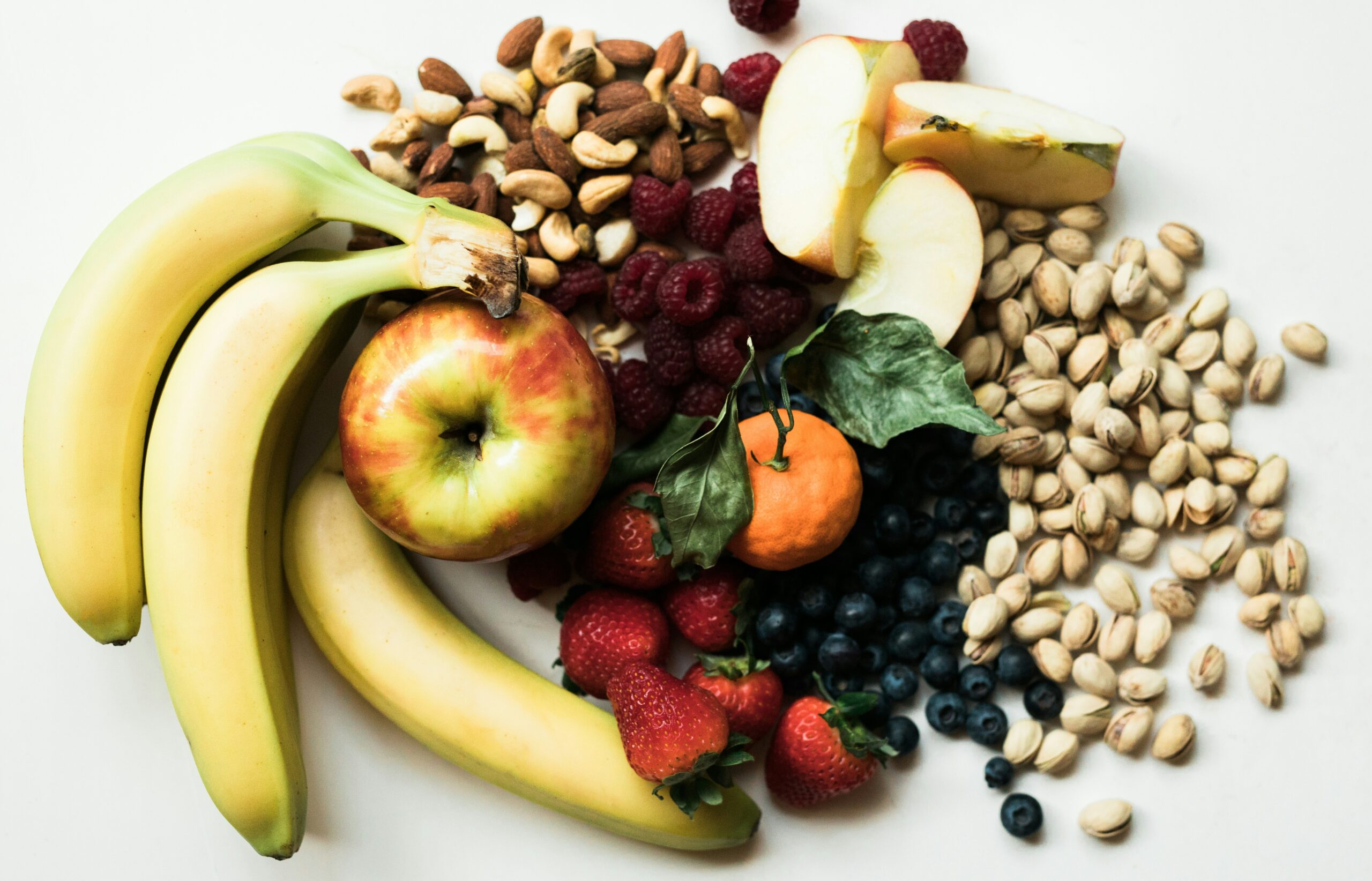
Practical ways to boost intake without a fight at the dinner table include:
- Adding berries to breakfast cereal, porridge, or yoghurt
- Including cucumber, capsicum, or grated carrot in sandwiches and wraps
- Stirring extra vegetables into pasta sauces, soups, or casseroles where they blend in easily
Small, consistent additions often work better than a single “big” health push.
2. Include Iron-Rich Foods
Iron is essential for healthy growth, brain development, energy levels, and immune function. Children have particularly high iron needs, especially during periods of rapid growth such as infancy and adolescence.
Good sources of iron include red meat, chicken, fish, eggs, legumes, and iron-fortified cereals. Because vitamin C helps the body absorb iron more effectively, it’s worth pairing iron-rich foods with a source of vitamin C — such as oranges, kiwifruit, capsicum, or tomatoes — at the same meal.
3. Feed the Good Gut Bacteria
A healthy gut plays an important role in overall health and immunity. Fibre helps nourish the beneficial bacteria living in the gut, supporting a healthy microbiome. Including higher-fibre foods such as wholegrain breads, oats, beans, and lentils on a regular basis helps these beneficial bacteria grow and thrive.
If your child isn’t used to higher-fibre foods, introducing them gradually — alongside plenty of water — can help avoid tummy discomfort.
4. Keep Your Child Well Hydrated
Water keeps the body hydrated and helps transport nutrients throughout the body. Encourage children to drink water regularly throughout the day, especially during hot weather, physical activity, or if they’re feeling unwell. Keeping a reusable water bottle handy at school, sport, and home can make it easier for children to stay on top of their hydration without needing to be reminded constantly.
Are Supplements Necessary?
It’s worth being clear: there is no “superfood” or supplement that can prevent colds or viruses in healthy children. Marketing around immune-boosting products can create pressure for parents to seek out special powders, gummies, or supplements — but for most healthy children eating a varied diet, these aren’t necessary. A varied, balanced diet and healthy lifestyle provide the best foundation for a strong immune system, without the need for extra products.
If you do have concerns about a specific nutrient gap, a paediatric dietitian can help assess whether supplementation is genuinely needed, rather than relying on guesswork.
When to See a Dietitian
While everyday nutrition habits go a long way, some children may benefit from more tailored support. Consider seeking advice from a dietitian if your child:
- Is constantly sick or unwell
- Is a very selective eater
- Has poor growth or weight gain
- Has food allergies or dietary restrictions
- Frequently misses out on key food groups
- Has a medical condition affecting nutrition or growth
About Sarah Bonnici, Dietitian
Sarah Bonnici is a highly passionate Dietitian who enjoys treating a range of different areas, including diabetes management, heart disease, and weight management, as well as children’s and family nutrition. She has a special interest in paediatric dietetics, supporting children from infancy through to adolescence with fussy eating, starting solids, growth concerns, and food allergies. Sarah enjoys assisting her patients and their families in meeting their nutrition goals, through the provision of nutrition education and the development of personalised nutrition strategies to best support each patient. She is dedicated to improving the health outcomes of her patients, and supporting them to make healthy lifestyle changes.
Sarah is available at our Penrith, Ryde, Springwood, and Katoomba clinics, as well as via Online telehealth appointments. Read more about Sarah

Book an Appointment With Our Paediatric Dietitian
If your child has a diagnosed food allergy or intolerance — or you suspect one and aren’t sure where to start — our paediatric dietitian is here to help. OnePointHealth offers convenient appointments across our NSW locations, including Penrith, Ryde, Katoomba, Blaxland, Springwood, Ropes Crossing, and Lindfield.
Book online today or contact our friendly team to find out how personalised dietetic support can help your child eat safely and confidently.