If you have been referred to an Exercise Physiologist or have come across the term, you may be wondering what Exercise Physiology actually is and how it may be able to help you. When most people think of exercise, they picture going to the gym, running, or playing sport. While all of these activities are important, exercise can also be used as a powerful form of medicine. This is where Exercise Physiology comes in. At OnePointHealth we believe understanding what Exercise Physiology is can help you feel more confident in taking the next step in your health journey.
What is an Exercise Physiologist?
An Exercise Physiologist is an allied health professional who uses evidence-based exercise to prevent, manage, and treat a wide range of health conditions. Accredited Exercise Physiologists (AEPs) are university-trained healthcare professionals who assess an individual’s health, movement, and physical capacity before designing personalised exercise programs aiming to help an individual achieve their goals safely and effectively.
Whether you’re recovering from an injury, living with a chronic disease, or simply wanting to improve your health, an Exercise Physiologist from OnePointHealth can help.
What can Exercise Physiology help with?
Exercise Physiology benefits people of all ages and health backgrounds. Common conditions include:
- Musculoskeletal injuries such as back pain, arthritis, tendon injuries, and post-operative rehabilitation
- End-stage rehabilitation following injuries such as ACL reconstructions, shoulder injuries and surgeries, Achilles tendon ruptures, ankle sprains, and other sports or orthopaedic injuries. Exercise Physiologists help bridge the gap between rehabilitation and returning to work, sport, or everyday activities by restoring strength, power, endurance, and confidence
- Neurological conditions including Stroke, Parkinson’s Disease, Multiple Sclerosis, and Traumatic Brain Injury
- Cardiovascular disease, including prevention of heart disease, recovery of heart disease, and high blood pressure
- Metabolic conditions such as diabetes, obesity and metabolic syndrome
- Respiratory conditions including chronic obstructive pulmonary disease (COPD), and asthma
- Cancer treatment and recovery, helping to reduce fatigue, improve strength and enhance quality of life during and after treatment
- Mental health conditions such as anxiety, depression, and stress
Exercise Physiologists also assist people recovering from workplace injuries, motor vehicle accidents, and those looking to reduce their risk of falls or maintain independence as they age.
What happens during an appointment
Your first appointment with an Exercise Physiologist is all about getting to know you and understanding your goals. There will be a conversation about your health history, any symptoms or injuries you’re experiencing, your current activity levels, and what you’d like to achieve. This helps us build a clear picture of your starting point.

We may then guide you through a few simple assessments, such as looking at your strength, balance, flexibility or aerobic capacity. These are tailored to your individual needs and comfort level – there is no expectation to perform at a certain standard as this is just your current baseline level. The purpose is to simply identify your strengths, area for improvement, and establish a starting point so we can track your progress over time.
Using this information, a personalised exercise program will be designed to suit your goals, lifestyle, and current abilities. As you become stronger and more confident, your program will be adjusted to keep you progressing safely and help you achieve the best possible outcomes.
Why See an Exercise Physiologist?
Many people believe that they need to “get fit” before seeking professional help. In reality, Exercise Physiologists work with people at every stage of their health journey – from those who have never exercised before to athletes returning from injury.
One of the greatest benefits of seeing an Exercise Physiologist is having expert guidance and support. Having someone to educate, motivate and adapt your programs as your needs change can improve confidence, reduce the fear or movement, and help you stay consistent with your rehabilitation or health goals.
Investing in Your Long-Term Health
Exercise is seen to be one of the most effective, accessible, and evidence-based treatments available for improving your health. When exercise is prescribed correctly, it can reduce pain levels, improve overall strength, increase your energy levels, improve mental wellbeing, and help people live a healthier and more independent life.

No matter what your age, fitness level or medical history, it is never too late to experience the benefits of exercising regularly. If you’re unsure where to start and Accredited Exercise Physiologist can provide you with the knowledge, support, and personalised plan you need to move with confidence and achieve your health goals.
Book with Ben, Exercise Physiologist at OnePointHealth
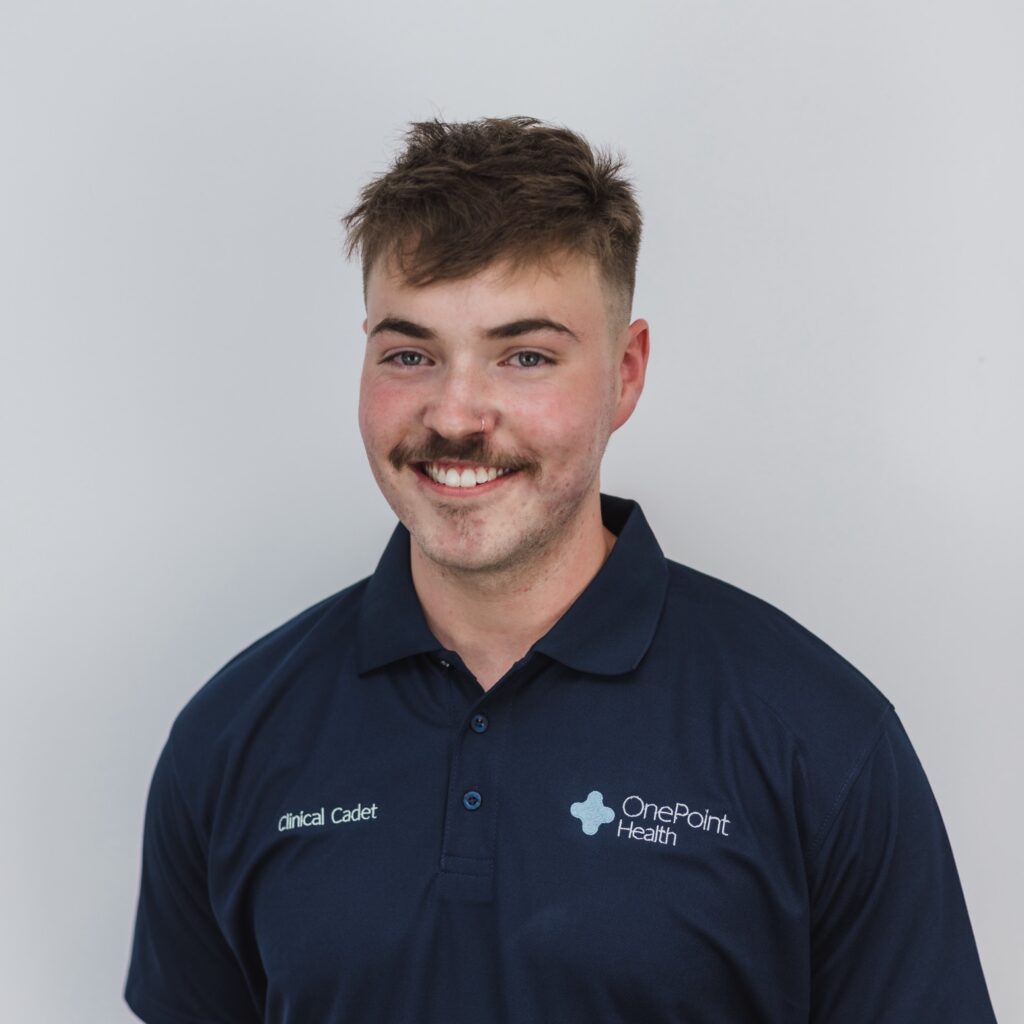
Ben is our dedicated Exercise Physiologist at OnePointHealth, delivering evidence-based care to help clients improve their physical function, manage chronic conditions, and achieve their health and performance goals. He also supports the local sporting community through his role as a sports trainer for Nepean FC’s Boys Youth League.
Ben has a strong clinical interest in musculoskeletal injuries, return-to-sport rehabilitation, neurological conditions, and metabolic health.
Book now with Ben